Persian Gulf Tensions: Oil Prices & Global Impact
The escalating tensions in the Persian Gulf, with recent attacks on ships and Iran's warning about rising oil prices, are poised to have significant implications for global markets. This article delves into the historical context, current developments, and potential future scenarios, providing a comprehensive analysis of the situation.
Introduction
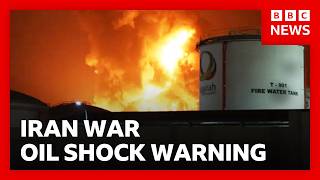
The escalating tensions in the Persian Gulf, marked by recent attacks on vessels and Iran's ominous warning about oil prices potentially reaching $200 per barrel, signal a looming crisis with far-reaching ramifications for global markets. Understanding the complexities of this situation is crucial for stakeholders worldwide.
Background/Context
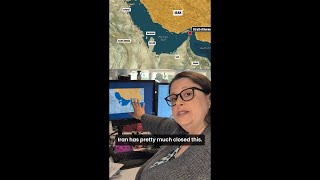
The Persian Gulf has long been a focal point of geopolitical tensions, primarily due to its strategic importance as a major oil transit route. Historically, conflicts in this region, such as the Iran-Iraq War and the Tanker War of the 1980s, have had profound impacts on global oil supply and pricing. The Strait of Hormuz, a narrow passage through which approximately 20% of the world's oil passes, remains a critical chokepoint.
Current Situation
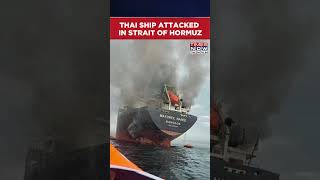
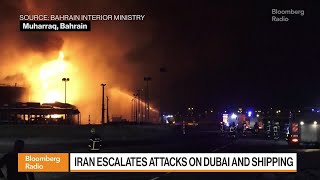
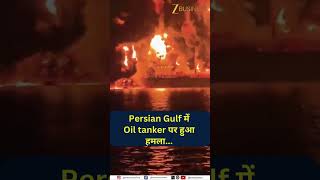
According to CNBC, three more ships have been struck in the Persian Gulf, heightening fears of further disruptions. Iran's recent warnings about escalating oil prices are not to be taken lightly, as they reflect the nation's strategic leverage over one of the world's most vital energy corridors. The U.S. military's decision to turn down requests to escort tankers through the Strait of Hormuz underscores the precariousness of the current situation.
Deep Analysis
The underlying causes of these tensions are multifaceted, involving historical grievances, power dynamics between regional actors, and international diplomacy. Iran, facing economic sanctions, is likely using these threats to exert pressure on the global stage. The power struggle within OPEC and the influence of external powers, such as the U.S. and China, further complicate the regional dynamics, making a resolution challenging.
Impact/Outlook
If tensions continue to escalate, the global oil market could face significant volatility. Short-term impacts may include increased oil prices, affecting transportation and manufacturing sectors worldwide. In the long term, sustained disruptions could accelerate the transition to alternative energy sources, as indicated by rising interest in electric vehicles according to Edmunds. However, the geopolitical landscape remains unpredictable, with potential for both diplomatic resolution and further conflict.
Practical Implications
For businesses and consumers, this situation presents both challenges and opportunities. Companies may need to hedge against oil price volatility, while consumers could benefit from exploring energy-efficient alternatives. Policymakers must navigate these tensions carefully, balancing immediate economic impacts with long-term energy strategy.
Key Takeaways
- The Persian Gulf remains a critical region for global oil supply, with ongoing tensions threatening market stability.
- Recent ship attacks and Iran's warnings signal potential for significant oil price increases.
- Historical context and regional power dynamics complicate the path to resolution.
- Global markets may face short-term volatility, prompting shifts towards alternative energy sources.
- Stakeholders must remain vigilant, with businesses considering risk management strategies.