UK Tobacco Ban: Impact on Future Generations
The UK Parliament's decision to ban tobacco sales to those born after 2008 marks a bold move in public health policy. This article examines the implications of this law on health, economy, and society, offering a comprehensive analysis of its potential outcomes.
Introduction
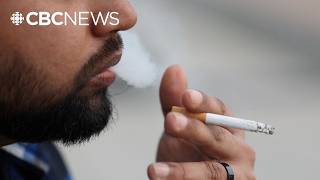
The UK Parliament's recent decision to ban tobacco sales to individuals born after 2008 represents a landmark shift in public health policy, aiming to significantly reduce smoking rates in the coming decades.
Background/Context
The UK's tobacco control efforts have a long history, beginning with the introduction of the Smoking Kills campaign in the 1990s. Over the years, measures such as graphic warning labels, advertising bans, and smoking bans in public places have contributed to a gradual decline in smoking rates. However, according to the UK Health Security Agency, smoking remains a leading cause of preventable diseases and premature deaths, necessitating more aggressive measures.
The idea of a generational ban on tobacco sales is not entirely new. New Zealand implemented a similar policy in 2021, aimed at creating a smoke-free generation. The UK is now following suit, driven by the urgent need to address smoking-related health burdens and economic costs.
Current Situation
The ban, expected to take effect in 2027, means that anyone born after 2008 will never legally be able to purchase tobacco products in the UK. This move is supported by a broad coalition of health organizations, including the British Medical Association and Action on Smoking and Health.
Data from Public Health England indicates that smoking prevalence among young people has been decreasing, reaching an all-time low of 6% in 2022. This legislation aims to accelerate this trend by removing tobacco from the lifestyle choices available to future generations.
Deep Analysis
This policy raises several questions about its effectiveness and enforcement. Critics argue that such a ban might lead to a black market for tobacco products, similar to what has been observed with other prohibited substances. However, supporters highlight the potential for significant public health benefits and reduced healthcare costs.
The economic impact is also a point of contention. The tobacco industry contributes to the economy through taxes and employment, but the costs associated with smoking-related illnesses far exceed these contributions. According to the Institute of Economic Affairs, smoking costs the NHS approximately £2.5 billion annually, with additional costs from lost productivity.
Impact/Outlook
In the short term, the ban is likely to face challenges in implementation and compliance. However, countries like Finland and New Zealand have shown that comprehensive tobacco control policies can lead to substantial public health improvements.
Long-term projections suggest a potential reduction in smoking-related diseases and an increase in life expectancy. The UK government's goal of a smoke-free generation by 2030 aligns with these outcomes, potentially setting a precedent for other nations to follow.
Practical Implications
For individuals and families, this policy underscores the importance of smoke-free environments and the need for ongoing education about the risks of smoking. Healthcare providers will need to adapt their strategies, focusing more on prevention and support for smoking cessation.
Policymakers and public health officials should monitor the ban's impact and be prepared to address any unintended consequences, such as illicit trade. Collaboration with law enforcement and international partners will be crucial in ensuring the policy's success.
Key Takeaways
- The UK ban on tobacco sales to those born after 2008 is a significant public health initiative.
- Historical context shows a long-standing effort to reduce smoking rates through various measures.
- Current data indicates a decline in youth smoking, which the ban aims to enhance.
- Potential challenges include enforcement, black market risks, and economic impacts.
- Long-term benefits could include reduced healthcare costs and increased life expectancy.
- Practical steps involve ongoing education, prevention efforts, and policy adaptation.