Iran Tensions Escalate: Strait of Hormuz Conflict
Tensions in the Strait of Hormuz are rising with recent attacks and military actions involving Iran, the US, and Israel. This article delves into the historical context, current dynamics, and future implications of these geopolitical tensions, providing a comprehensive analysis for those seeking to understand the unfolding crisis.
Introduction
The Strait of Hormuz is once again a focal point of international tension, with recent military actions indicating a volatile situation that demands global attention.
Background/Context
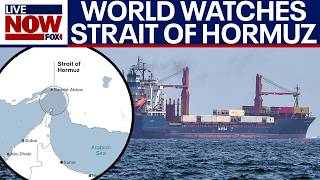
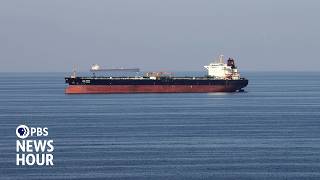
The Strait of Hormuz has long been a strategic chokepoint for global oil shipments. Historically, its significance stems from its location, serving as a crucial passageway for a significant percentage of the world's oil trade. The waterway has frequently been at the center of geopolitical tensions, particularly involving Iran and Western powers. Past incidents, such as the 'Tanker War' during the Iran-Iraq conflict, highlight the region's susceptibility to conflict and the international community's vested interest in maintaining stability.
Current Situation
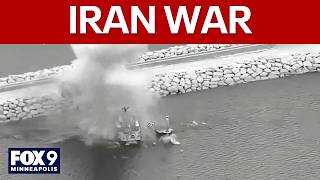
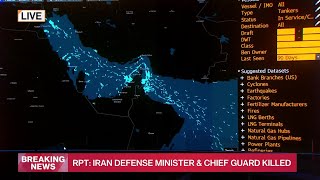
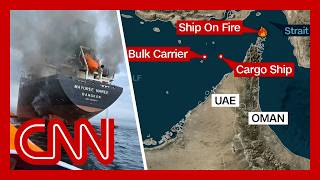
Recent reports indicate escalating hostilities as Iranian forces are laying mines in the Strait of Hormuz, prompting responses from the US and its allies. As of now, US forces have reportedly destroyed 16 Iranian mine-laying vessels, raising fears of further military engagement. The situation is compounded by ongoing diplomatic efforts, with leaders like France's Emmanuel Macron engaging in discussions with G-7 counterparts to address the crisis.
Military Actions
The escalation underscores a complex interplay of military strategies. According to defense analysts, the US Navy's presence in the region serves as a deterrent to further Iranian aggression. However, Iran's actions suggest a strategic maneuver to assert its influence and challenge US presence in the region.
Diplomatic Efforts
Diplomatic channels remain active, with the international community urging de-escalation. The involvement of global powers like France and the G-7 indicates the wider implications of the conflict, particularly concerning global energy security.
Deep Analysis
At the heart of the current tensions are longstanding geopolitical rivalries and power struggles. Iran's strategic motivations include demonstrating its regional influence and countering US sanctions. Meanwhile, the US aims to protect its interests and those of its allies, while ensuring the free flow of commerce through the Strait of Hormuz.
Regional Dynamics
The conflict also reflects broader regional dynamics, including Iran's relationships with neighboring countries and its role in regional security. The involvement of Israel, which has expressed concerns over Iran's military capabilities, further complicates the situation.
Global Implications
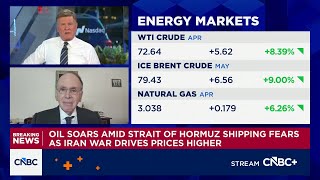
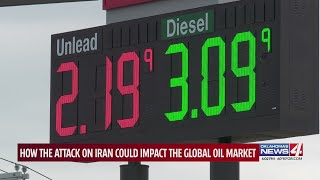
The potential for a wider conflict poses significant risks to global oil markets. Industry sources indicate that any disruption in the Strait of Hormuz could lead to dramatic shifts in oil prices, affecting economies worldwide.
Impact/Outlook
In the short term, the situation remains fluid, with potential for both escalation and resolution. Analysts suggest that diplomatic efforts could lead to a temporary de-escalation, although underlying tensions are likely to persist. In the long term, the conflict could reshape regional alliances and impact global energy strategies.
Short-term Scenarios
Immediate outcomes depend on diplomatic negotiations and military developments. A sustained conflict could trigger broader economic and political consequences.
Long-term Projections
Strategically, the conflict may alter power dynamics in the Middle East, influencing future US-Iran relations and the stability of global oil markets.
Practical Implications
For stakeholders, understanding the nuances of the conflict is crucial. Businesses reliant on oil imports should prepare for potential supply disruptions. Policymakers need to consider the broader geopolitical ramifications, while energy companies might explore alternative supply routes.
Recommendations
- Monitor developments closely and adjust risk assessments accordingly.
- Engage in scenario planning to anticipate potential market shifts.
- Strengthen diplomatic efforts to promote stability in the region.
Key Takeaways
- The Strait of Hormuz is a critical geopolitical hotspot with significant global implications.
- Recent military actions highlight the ongoing tensions between Iran and Western powers.
- Diplomatic efforts are crucial in preventing further escalation.
- Global oil markets are vulnerable to disruptions stemming from the conflict.
- Stakeholders must remain vigilant and adaptable to evolving scenarios.