Australia-Japan Frigate Deal Shakes Defense Landscape
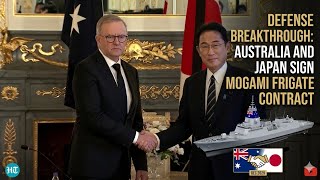
Australia's decision to buy warships from Japan is reshaping its naval strategy and regional defense alliances. This article explores the historical context, current implications, and future outlook of this significant defense acquisition.
Introduction
Australia's recent decision to procure frigates from Japan marks a pivotal moment in its defense strategy, reflecting a shift towards deepened regional military alliances and enhanced naval capabilities.
Background/Context
Historically, Australia's naval acquisitions have been heavily influenced by its strategic relationships with Western allies, primarily the United States and the United Kingdom. In recent years, however, the Asia-Pacific region's evolving security dynamics have prompted Australia to reassess its defense strategy.
The Australian government has been investing significantly in its naval capabilities as part of its broader defense strategy, which prioritizes securing maritime trade routes and countering regional threats. This shift towards engaging Japan, a key strategic partner in the region, underscores a broader geopolitical alignment aimed at countering rising tensions in the Indo-Pacific.
Current Situation
According to defense industry reports, the deal involves the purchase of advanced frigates equipped with state-of-the-art technology designed to enhance Australia's maritime combat capabilities. The acquisition is part of Australia's broader effort to modernize its naval fleet, which is seen as crucial for protecting its extensive maritime borders and interests.
Industry sources indicate that this move is also a response to increasing Chinese naval activities in the South China Sea and beyond, where Australia has significant economic and strategic interests. The Australian Ministry of Defense has highlighted the need for a versatile and capable naval presence to maintain regional stability.
Deep Analysis
The decision to procure warships from Japan reflects a convergence of economic and security interests between the two countries. Japan, with its advanced shipbuilding industry and technological prowess, offers Australia an opportunity to enhance its naval capabilities while fostering closer bilateral ties.
Experts suggest that this deal may also serve as a counterbalance to China's growing influence in the region. By aligning more closely with Japan, Australia is sending a clear signal of its commitment to a rules-based international order and its readiness to cooperate with like-minded regional partners.
Impact/Outlook
In the short term, the deal is expected to bolster Australia's naval capabilities, allowing for greater operational flexibility and deterrent capacity. In the long term, this acquisition could pave the way for increased defense collaboration between Australia and Japan, potentially leading to joint exercises and enhanced interoperability between their respective armed forces.
However, this move may also provoke reactions from China, which views such alliances as a threat to its regional ambitions. The strategic implications of this deal will likely reverberate throughout the Indo-Pacific, influencing the defense postures of other regional players.
Practical Implications
For policymakers and defense strategists, this deal underscores the importance of diversifying defense partnerships and investing in advanced military technologies. Australia’s decision to partner with Japan highlights the need for adaptability in a rapidly changing geopolitical landscape.
For defense contractors and industry stakeholders, this deal represents a significant opportunity to engage in cross-border collaborations and technology transfers, potentially leading to further innovation in naval warfare capabilities.
Key Takeaways
- Australia's purchase of frigates from Japan marks a strategic shift in defense alliances.
- The deal is a response to regional security dynamics, particularly in the Indo-Pacific.
- This acquisition enhances Australia's naval capabilities and deters regional threats.
- Closer Australia-Japan defense ties signal a commitment to a rules-based order.
- The deal may provoke strategic responses from China and other regional actors.
- Policymakers must prioritize adaptability and innovation in defense strategies.
- This collaboration opens opportunities for defense industry partnerships.