UAE's OPEC Exit: Oil Market Implications
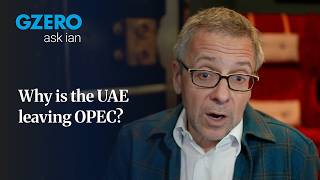
The United Arab Emirates' decision to leave OPEC after nearly 60 years marks a significant shift in global oil dynamics. This article explores the historical context, current motivations, and potential impacts on the oil market and international relations, providing a comprehensive analysis for policymakers, investors, and industry stakeholders.

Introduction
The United Arab Emirates is exiting OPEC, a decision that could redefine global oil markets and geopolitical alliances. Understanding the implications of this move is crucial for stakeholders worldwide.
Background/Context
OPEC, the Organization of the Petroleum Exporting Countries, has been a pivotal player in the global oil market since its inception in 1960. The UAE joined OPEC in 1967, becoming one of its key members. Historically, OPEC has aimed to coordinate and unify petroleum policies among member countries to secure fair and stable prices for petroleum producers.
The UAE, with its vast oil reserves, has been an influential voice within OPEC. However, over the years, the organization has faced challenges such as fluctuating oil prices and internal disagreements on production quotas. According to industry sources, these tensions have been exacerbated by the rise of non-OPEC oil producers and a global shift toward renewable energy.
Current Situation
As of now, the UAE's decision to leave OPEC is being viewed as a strategic move to gain greater autonomy over its oil production and pricing. Data from the International Energy Agency (IEA) shows that the UAE is the world's seventh-largest oil producer, with a production capacity of around 4 million barrels per day. The country has expressed dissatisfaction with OPEC's production quotas, which it feels are limiting its economic growth potential.
Industry experts indicate that the UAE's exit is expected to influence oil prices and production strategies globally. The immediate reaction from markets has been cautious, with analysts predicting potential volatility as stakeholders adjust to the new landscape.
Deep Analysis
The UAE's departure from OPEC can be attributed to several underlying factors. Firstly, the nation's ambition to diversify its economy beyond oil has been a driving force. The UAE's Vision 2021 strategy emphasizes sustainable economic development, reducing reliance on oil revenues.
Moreover, the dynamics within OPEC have changed, with Saudi Arabia and Russia, non-OPEC but major oil-producing countries, exerting significant influence through the OPEC+ alliance. The UAE's decision may reflect a desire to pursue more favorable bilateral agreements with other oil-producing nations, leveraging its strategic position in the Gulf.
Impact/Outlook
In the short term, the UAE's exit from OPEC could lead to increased oil output from the country, potentially lowering global oil prices if other producers do not adjust their production. However, this scenario remains contingent on various geopolitical and economic factors.
In the long term, the move may encourage other OPEC members to reconsider their positions, especially those with similar grievances regarding production constraints. This could result in a reconfiguration of the global oil supply chain, with implications for energy security and international trade.
Practical Implications
For policymakers, understanding the nuances of the UAE's decision is essential for formulating energy strategies that account for potential shifts in oil supply and pricing. Investors should closely monitor developments, as changes in oil market dynamics could impact related sectors such as transportation and manufacturing.
Energy companies might consider diversifying their portfolios to mitigate risks associated with market volatility. Additionally, nations heavily reliant on oil imports should assess their energy security measures in light of potential disruptions.
Key Takeaways
- The UAE's exit from OPEC marks a significant shift in global oil market dynamics.
- Historical tensions and the desire for economic diversification are key factors in the UAE's decision.
- The immediate impact on oil prices is uncertain, with potential for increased volatility.
- Long-term implications could include a reconfiguration of the global oil supply chain.
- Policymakers and investors need to closely monitor developments and adapt strategies accordingly.