Iran Conflict and Global Oil Market Dynamics
As tensions rise in the Strait of Hormuz, the global oil market faces unprecedented volatility. Understanding the geopolitical and economic implications of the Iran-US conflict is crucial for stakeholders worldwide.
Introduction
The escalating tensions in the Strait of Hormuz are reshaping the global oil market, with far-reaching implications for economies worldwide. Understanding these dynamics is crucial as the situation remains unresolved.
Background/Context
The Strait of Hormuz is a critical chokepoint for global oil transit, with around 20% of the world's petroleum passing through this narrow passage annually. Historical tensions between Iran and Western nations have often centered on this strategic location, underscoring its importance in global energy security.
According to the United States Energy Information Administration (EIA), any disruption in the Strait could significantly impact global oil prices and supply chains. Past conflicts, such as the Iran-Iraq War in the 1980s, have demonstrated the potential for significant economic repercussions.
Current Situation
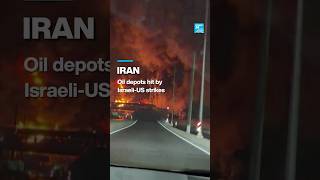
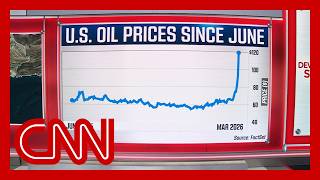
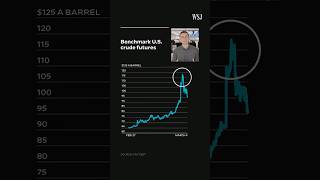
As reported by multiple sources, the recent escalation involves a complex interplay of military posturing and diplomatic negotiations. Iran's assertion that it controls the timeline of the conflict highlights the ongoing volatility. Meanwhile, global markets are reacting to every development, with oil prices experiencing sharp fluctuations.
Data from the International Energy Agency (IEA) indicates that the first two months of 2023 saw record trade surpluses for China, a key player in global oil consumption. This economic backdrop adds another layer of complexity to the unfolding situation.
Deep Analysis
The underlying causes of the current tensions can be traced to longstanding geopolitical rivalries and economic sanctions. Stakeholders, including the US, Iran, and other regional powers, are maneuvering for strategic advantage. The power dynamics involve not only military might but also economic leverage through sanctions and trade policies.
Industry experts suggest that the broader implications of this conflict could redefine energy markets for years to come. The balance of power in the Middle East, coupled with China's growing influence, is reshaping traditional alliances and economic strategies.
Impact/Outlook
In the short term, volatility in oil prices is expected to continue, affecting everything from consumer fuel prices to industrial production costs. Long-term scenarios depend heavily on diplomatic outcomes and potential shifts in energy policies, such as increased investment in renewable resources to reduce dependency on Middle Eastern oil.
According to expert analysis, potential resolutions could involve multilateral negotiations, emphasizing the need for a coordinated international approach to stabilize the region.
Practical Implications
For businesses and investors, the current situation underscores the importance of risk management and diversification. Companies reliant on oil imports should consider hedging strategies to mitigate price volatility. Policymakers may need to accelerate transitions to alternative energy sources to ensure long-term energy security.
Consumers can expect fluctuations in fuel prices and should budget accordingly. Awareness of geopolitical developments can aid individuals and businesses in making informed decisions.
Key Takeaways
- The Strait of Hormuz remains a critical chokepoint in global oil supply.
- Current tensions between Iran and the US are causing significant market volatility.
- Geopolitical rivalries and economic sanctions are key underlying factors.
- Short-term oil price fluctuations are inevitable; long-term impacts depend on diplomatic resolutions.
- Risk management and diversification are essential strategies for businesses.
- Policymakers may need to focus on renewable energy to enhance security.