Intel Report: Iran's Regime Stability Amidst Tensions
A classified U.S. report questions the likelihood of regime change in Iran through military intervention. This analysis explores the geopolitical complexities, historical precedents, and potential consequences of such conflicts.
Introduction
A classified U.S. intelligence report currently raises doubts about the likelihood of Iran's regime being ousted through military intervention, reflecting on the geopolitical complexities and potential consequences of such a scenario.
Background/Context
Iran has long been a focal point in Middle Eastern geopolitics, with its Islamic Revolutionary government established in 1979 after the overthrow of the Shah. The historical context of Iran's political landscape is marked by internal and external tensions, including the Iran-Iraq War and ongoing sanctions from Western powers.
According to historical records, the Iranian regime's consolidation of power has been characterized by both domestic suppression and strategic international alliances. The complex interplay between Iran's internal politics and its foreign relations has often been a topic of intense scrutiny by global powers.
Industry sources indicate that Iran's sophisticated military capabilities and strategic geopolitical positioning further complicate the potential for regime change through conventional military means.
Current Situation
Data from the classified U.S. report suggests that a large-scale war is unlikely to lead to a regime change in Iran. The report highlights Iran's robust military infrastructure, including its Revolutionary Guard Corps, which plays a critical role in maintaining internal control and suppressing dissent.
Furthermore, regional dynamics, such as Iran's alliances with non-state actors and neighboring countries, present significant obstacles to any external intervention. These alliances are seen as a buffer against international pressure and a means of projecting power beyond its borders.
As reported by various defense analysts, the U.S. and its allies must consider these factors when assessing the feasibility and potential repercussions of military action against Iran.
Deep Analysis
The underlying causes of Iran's regime stability amidst external pressures can be attributed to several factors. First, the regime's ability to mobilize a nationalistic narrative has historically unified disparate internal factions against perceived foreign threats.
Moreover, Iran's strategic use of proxy groups in the region, such as Hezbollah in Lebanon and Shia militias in Iraq, acts as a deterrent to direct military intervention. These groups are not only military assets but also serve as political instruments to influence regional politics.
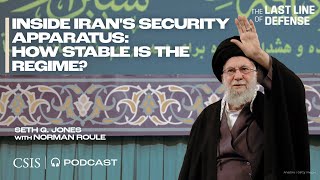
According to geopolitical experts, the power structures within Iran, including the Supreme Leader's authority and the Revolutionary Guard's influence, create a resilient system resistant to external destabilization efforts.
Impact/Outlook
Short-term projections suggest that any military conflict with Iran would likely result in significant regional instability without guaranteeing regime change. The potential for widespread civilian casualties and economic disruptions could outweigh the strategic gains of such an intervention.
Long-term, the persistence of Iran's current regime could lead to an entrenched standoff with the West, exacerbating global tensions and complicating diplomatic efforts. However, some analysts propose that diplomatic engagement and economic incentives may offer a more viable path to altering Iran's strategic calculations.
As global powers consider their options, the ramifications of military action versus diplomatic engagement remain a critical point of debate among policymakers.
Practical Implications
For policymakers and international relations experts, understanding the intricate dynamics of Iran's political system is crucial. Stakeholders must weigh the risks and benefits of military intervention versus diplomatic avenues, considering the broader implications for regional and global security.
Citizens and businesses with interests in the Middle East should stay informed about the evolving geopolitical landscape and potential disruptions to international trade and security.
Engaging in informed discussions and advocating for evidence-based policy decisions can contribute to a more stable and secure geopolitical environment.
Key Takeaways
- The U.S. intelligence report highlights significant challenges to regime change in Iran through military means.
- Iran's internal power structures and external alliances create resilience against external pressures.
- Military intervention could lead to regional instability and significant humanitarian consequences.
- Diplomatic engagement may offer a more sustainable path to influence Iran's strategic behavior.
- Understanding Iran's geopolitical role is essential for global security and economic stability.