US Struggles With Drone Defense Amid Iran Tensions
As Iranian drones challenge US defenses, strategic responses are critical. This article delves into the complexities of modern warfare, revealing how drones are reshaping military strategies and national security policies.
Introduction: Rising Drone Threats
In recent months, the use of low-cost drones by Iranian forces has significantly challenged U.S. air defense systems, highlighting vulnerabilities that could reshape military strategies globally.
Background/Context: Evolution of Drone Warfare
The use of drones in military operations has evolved dramatically over the past decade. Initially deployed for reconnaissance, drones are now central to combat operations, providing both offensive capabilities and intelligence gathering. Iran's development of drone technology is part of a broader trend where non-state actors and smaller nations leverage these affordable tools to counter superior military forces.
Current Situation: U.S. and Partners Seek Solutions
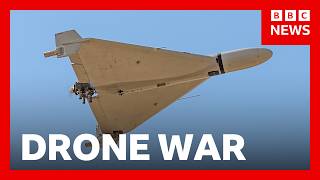
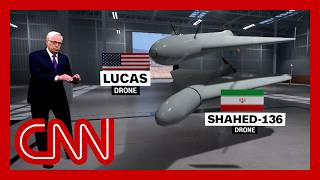
According to a recent report by The Washington Post, swarms of Iranian drones have been breaching U.S. defense systems in the Middle East, causing concern among military strategists. These drones, often equipped with explosives, have been used to target critical infrastructure and military assets. The U.S. is actively seeking assistance from Ukraine, which has developed effective counter-drone strategies due to its ongoing conflict with Russia.
Deep Analysis: Technological and Strategic Challenges
The effectiveness of Iranian drones stems from their simplicity and low cost, making them difficult to detect and intercept. Traditional defense systems, designed to counter high-speed missiles, struggle against the slower, more agile drones. This technological gap requires a paradigm shift in U.S. military thinking, focusing on electronic warfare and advanced sensor development.
Additionally, the geopolitical implications are profound. The ability of Iran to deploy drones effectively in conflict zones extends its influence and destabilizes regions, complicating U.S. foreign policy in the Middle East.
Impact/Outlook: Future of Drone Warfare
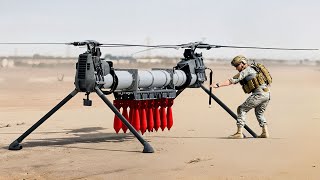
In the short term, the U.S. will likely increase investments in counter-drone technologies, including directed energy weapons and AI-powered detection systems. Long-term, the proliferation of drones will necessitate new international norms and agreements to regulate their use in warfare, akin to nuclear non-proliferation treaties.
Experts predict that drones will play an increasingly significant role in asymmetric warfare, allowing smaller nations to challenge superpowers effectively. This shift will require comprehensive policy adjustments and strategic alliances.
Practical Implications: Strategic Adjustments
For military strategists and policymakers, the rise of drone warfare demands immediate attention. Developing resilient defense systems, enhancing cyber capabilities, and fostering international collaboration will be crucial. For the private sector, investing in drone technology and countermeasures presents both opportunities and ethical challenges.
Key Takeaways
- Drones are reshaping military strategies, requiring new defense technologies.
- The U.S. faces significant challenges from Iranian drone capabilities.
- Global military dynamics are shifting towards asymmetric warfare.
- Effective counter-drone strategies involve electronic warfare and AI.
- International regulations on drone warfare are urgently needed.