Trump's Strait of Hormuz Strategy: A Deep Dive
Explore the complexities behind Trump's push for securing the Strait of Hormuz amidst escalating tensions with Iran. Understand the strategic significance of this vital waterway and what it means for global oil markets.
Introduction
The Strait of Hormuz remains one of the most strategic chokepoints in global oil trade, and President Trump's recent push to secure it highlights its ongoing geopolitical importance. This article delves into why this matters now more than ever.
Background/Context
The Strait of Hormuz is a narrow passage connecting the Persian Gulf to the Arabian Sea, through which approximately 20% of the world's petroleum passes. Historically, this waterway has been a flashpoint for geopolitical tensions, owing to its strategic importance. The United States, along with its allies, has maintained a naval presence in the region to ensure the free flow of oil.
Recent years have seen heightened tensions between Iran and the United States, particularly following the U.S. withdrawal from the Iran nuclear deal in 2018. This has led to a series of confrontations, with Iran occasionally threatening to close the strait in response to U.S. sanctions.
Current Situation
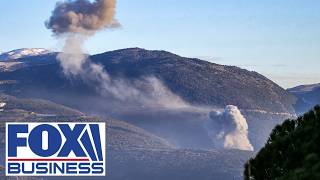
According to recent developments, Iran has issued warnings of more retaliatory strikes following U.S. actions on Kharg Island, an important oil export terminal. This has caused smoke to rise from a major oil hub in the UAE, underscoring the volatility of the region. Industry sources indicate that President Trump is keen on securing international support to maintain the security of the Strait of Hormuz.
As reported by CNN, the U.S. is seeking to bolster naval forces in the region and is in discussions with Gulf Cooperation Council (GCC) countries to develop a coordinated security strategy. This strategy is expected to involve increased patrols and potentially new security agreements.
Deep Analysis
The underlying causes of this push are multifaceted. At the heart of the issue is the global dependency on oil that passes through the Strait of Hormuz. The closure of this route could have catastrophic effects on the global economy, causing oil prices to skyrocket and disrupting supply chains.
Stakeholder dynamics are complex, involving not just the U.S. and Iran, but also major oil-importing nations like China and India, who rely heavily on the oil flowing through this strait. Additionally, OPEC countries have vested interests in ensuring the stability of this route as it directly impacts their economies.
Impact/Outlook
In the short term, increased military presence might deter immediate threats, but the potential for miscalculation remains high, which could escalate into a broader conflict. Long-term scenarios depend significantly on diplomatic engagements and the ability of international stakeholders to reach a consensus on security measures.
Experts suggest that if tensions continue to rise without resolution, alternative routes and energy sources might see increased investment. This could include the development of pipelines through Saudi Arabia and the UAE, bypassing the Strait of Hormuz entirely, which would alter the geopolitical landscape of energy trade.
Practical Implications
For policymakers, the priority should be on diplomatic engagement and conflict de-escalation. Countries dependent on oil imports should consider diversifying their energy sources and investing in renewable energy to mitigate risks associated with geopolitical tensions.
Businesses involved in the oil trade should develop contingency plans that account for potential disruptions in supply chains. Investors might look at diversifying their portfolios to include alternative energy stocks as a hedge against oil market volatility.
Key Takeaways
- The Strait of Hormuz is a vital chokepoint in global oil trade, with 20% of the world's oil passing through it.
- Recent U.S.-Iran tensions have escalated following military actions and threats of retaliation.
- The U.S. is seeking international cooperation to secure the strait, involving increased military presence.
- Short-term stability is uncertain, with potential for miscalculation leading to broader conflict.
- Long-term solutions may involve alternative routes and increased investment in renewable energy.
- Businesses and policymakers should consider diversification and contingency planning to mitigate risks.
- Stakeholders include major oil-importing nations and OPEC countries with vested interests.