Strait of Hormuz: Global Energy's Critical Lifeline
The Strait of Hormuz is a strategic chokepoint for global oil supply, especially amidst tensions in the Middle East. This article explores its significance, current disruptions, and future implications on energy security.
Introduction
The Strait of Hormuz remains a focal point in global energy discussions due to its crucial role in oil transportation, particularly amidst escalating conflicts in the Middle East.
Background/Context
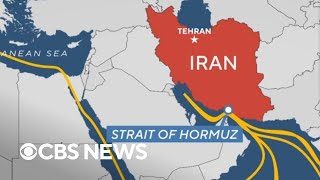
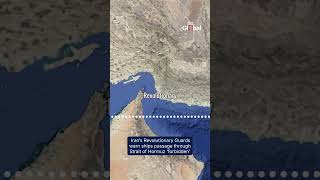
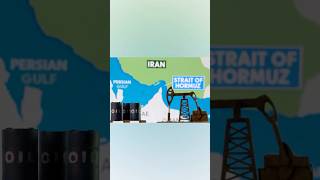
The Strait of Hormuz is a narrow passage connecting the Persian Gulf with the Gulf of Oman and the Arabian Sea. Historically, it has been a strategic maritime route, with about 20% of the world's petroleum passing through its waters, as reported by the U.S. Energy Information Administration.
Throughout history, the strait has been central to geopolitical tensions, particularly involving Iran and its neighboring Gulf countries. The Iran-Iraq War in the 1980s, the Gulf Wars, and recent U.S.-Iran tensions have all underscored its strategic importance.
Current Situation
As of recent updates, the ongoing conflict involving Iran has sharply increased oil prices due to disruptions in tanker traffic through the Strait of Hormuz. According to AP News, the situation remains volatile, with significant implications for global energy markets and security.
This delicate situation is exacerbated by Iran's strategic positioning and its control over the northern shores of the strait, leading to potential blockades or threats to shipping lanes.
Deep Analysis
The underlying causes of tensions in the Strait of Hormuz are manifold, including regional power dynamics, economic sanctions, and military posturing. Iran’s strategic leverage over the strait acts as both a geopolitical tool and a point of vulnerability.
Stakeholders include major oil-exporting countries, international shipping companies, and global superpowers. The United States and its allies have vested interests in ensuring the free flow of oil, while Iran uses its control as a bargaining chip in international negotiations.
Impact/Outlook
Short-term impacts include fluctuating oil prices and increased insurance costs for shipping companies. Long-term scenarios could involve diplomatic negotiations or military confrontations, depending on regional and international responses.
Experts from the International Energy Agency suggest that alternative routes and increased domestic production might buffer some impacts, but the strategic importance of the Strait of Hormuz cannot be overstated.
Practical Implications
For countries heavily reliant on oil imports, diversifying energy sources and investing in renewable energy can mitigate risks associated with disruptions in the Strait of Hormuz. Businesses should also consider supply chain adjustments in response to potential geopolitical shifts.
Key Takeaways
- The Strait of Hormuz is vital for global energy supply, with 20% of the world's oil passing through it.
- Current tensions in the Middle East have heightened the risk of disruptions, affecting global oil prices.
- Iran's strategic control of the strait is both a tool and a point of vulnerability.
- Stakeholders include oil-exporting countries, shipping companies, and global powers.
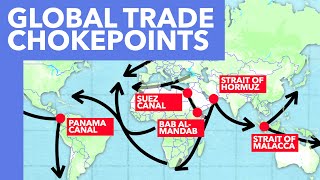
- Long-term resilience strategies include renewable energy investments and alternative trade routes.
- Continued monitoring of the geopolitical situation is essential for businesses and governments alike.