U.S. Troops Killed Amid Iranian Counterattack
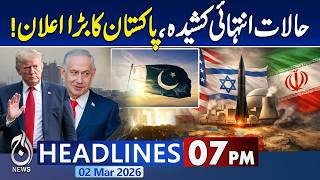
The escalating conflict between the U.S. and Iran has resulted in the deaths of U.S. troops and raised significant air defense concerns. Understanding the historical context, current dynamics, and potential future scenarios is crucial for comprehending this complex geopolitical issue.
Introduction: Escalating U.S.-Iran Tensions
The recent deaths of U.S. troops amid an Iranian counterattack underscore the escalating tensions between these two nations and the growing concerns about air defense capabilities. This conflict is not just a regional issue; it has far-reaching implications for global security and stability.
Background/Context: Historical Roots of the Conflict
To fully grasp the current situation, it's essential to understand the historical roots of U.S.-Iran tensions. This complex relationship dates back to the 1953 CIA-backed coup in Iran, which overthrew Prime Minister Mohammad Mossadegh. The subsequent installation of the Shah, a pro-Western leader, sowed seeds of distrust that continue to influence relations.
Further complicating matters was the 1979 Iranian Revolution, which saw the rise of an anti-American regime. The hostage crisis at the U.S. Embassy in Tehran solidified the adversarial nature of the relationship. Over the decades, various incidents, such as the Iran-Iraq War and the U.S.'s involvement in the Middle East, have added layers to this intricate geopolitical puzzle.
Current Situation: Data-Driven Insights
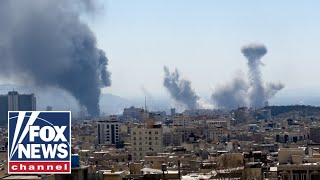
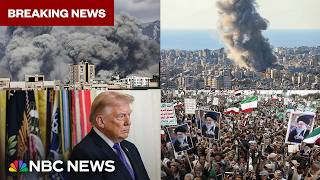
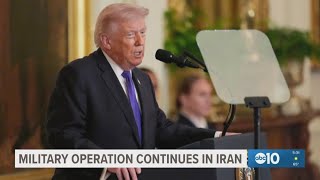
According to reports from U.S. defense officials, recent Iranian attacks have targeted multiple Gulf states, causing significant damage and casualties. The U.S. has responded with airstrikes aimed at neutralizing Iran's military capabilities. Data indicates that over 1,000 targets have been hit in recent days, showcasing the intensity of the conflict.
The attacks have not only affected military personnel but have also disrupted civilian life in the region. Explosions have been reported in major cities such as Dubai and Doha, raising concerns about the broader impact on regional stability and economic activities.
Deep Analysis: Underlying Causes and Stakeholder Dynamics
At the core of this conflict are several interrelated factors, including geopolitical rivalries, economic interests, and ideological differences. The U.S. aims to curb Iran's influence in the Middle East, a goal complicated by Iran's strategic alliances with groups like Hezbollah.
Stakeholders in this conflict include not just the U.S. and Iran, but also regional powers such as Saudi Arabia and Israel, each with its own agenda. The dynamics between these nations are shaped by historical enmities and alliances, adding layers of complexity to the situation.
Furthermore, the role of international organizations like the United Nations is crucial in mediating tensions and preventing further escalation. However, geopolitical interests often hinder effective diplomatic resolutions.
Impact/Outlook: Short-Term and Long-Term Scenarios
In the short term, the immediate focus is on de-escalation and addressing humanitarian concerns. However, the long-term outlook remains uncertain, with potential scenarios ranging from continued skirmishes to full-scale conflict.
Experts suggest that without effective diplomatic intervention, the region could see prolonged instability, affecting not only the Middle East but also global markets and international relations. The potential for miscalculations or unintended escalations remains high, necessitating careful monitoring and strategic planning.
Practical Implications: Actions and Perspectives
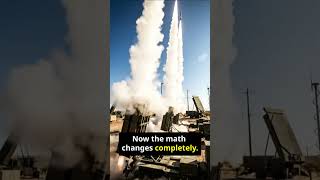
For policymakers and military strategists, the current situation highlights the need for robust air defense systems and intelligence capabilities. Additionally, diplomatic channels must be strengthened to facilitate dialogue and negotiations.
For civilians, especially those in the affected regions, being informed and prepared for potential disruptions is crucial. Understanding the broader geopolitical landscape can help individuals and businesses make informed decisions regarding safety and economic activities.
Key Takeaways
- The U.S.-Iran conflict has deep historical roots, influencing current tensions.
- Recent Iranian attacks have targeted Gulf states, causing significant casualties.
- Geopolitical rivalries and economic interests are core drivers of the conflict.
- Stakeholders include regional powers with complex dynamics.
- Short-term focus is on de-escalation, but long-term scenarios remain uncertain.
- Strengthening diplomatic channels is crucial for conflict resolution.
- Civilians should stay informed and prepared for potential disruptions.