The Geopolitical Ripples of the U.S.-Israeli Conflict in Iran
Explore the intricate dynamics of the U.S.-Israeli conflict in Iran. Understand the historical context, current implications, and the potential future of this geopolitical crisis.
Introduction: Understanding the Conflict
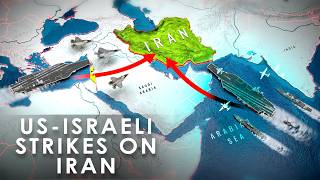
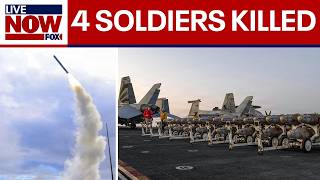
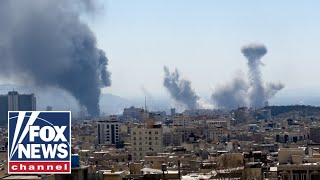
The recent escalation of conflict involving the U.S. and Israel in Iran has not only drawn international attention but also sparked significant political and social discourse. The operation dubbed 'Epic Fury' has already resulted in the unfortunate loss of American lives, marking a critical point in the ongoing geopolitical tensions.
Historical Context: A Long-Brewing Tension
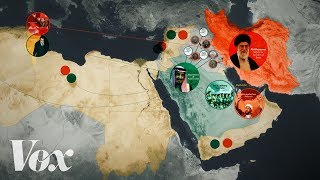
To comprehend the current situation, it's essential to look back at the history of Iran-U.S. relations. The ties between these nations have been turbulent since the Iranian Revolution in 1979, which led to the overthrow of the Shah, a U.S. ally. This upheaval set the stage for decades of strained relations characterized by sanctions, military confrontations, and diplomatic standoffs.
For more on the historical context, visit Wikipedia's comprehensive overview.
The Catalyst: Recent Developments
The death of Iran’s Supreme Leader, Ayatollah Ali Khamenei, in a joint U.S.-Israeli strike, has been a significant catalyst in the current conflict. This incident has intensified anti-American sentiment, leading to protests and further governmental condemnation from Iran's allies.
As reported by Al Jazeera, protests erupted in Pakistan, highlighting the regional implications of this conflict.
Global Implications: Reactions and Responses
The global response to the U.S.-Israeli actions in Iran has been mixed. Allies and critics alike are weighing in, with various nations calling for restraint and dialogue. The United Nations and other international bodies have expressed concern about the potential for broader conflict in the Middle East.
For a detailed report on the international reaction, see DW.com.
Future Outlook: What Lies Ahead?
Looking forward, the geopolitical landscape in the Middle East remains uncertain. With potential negotiations on the horizon, as suggested by U.S. President Trump’s willingness to engage with Iranian leaders, there might be room for diplomatic resolution. However, the path to peace is fraught with challenges, and the outcome remains to be seen.
Key Takeaways
The U.S.-Israeli conflict in Iran has far-reaching implications that extend beyond immediate military engagements. The historical context, recent developments, and potential future discussions shape the complex geopolitical chessboard of the Middle East. Stakeholders must navigate these turbulent waters with caution, keeping global peace and stability in the forefront.