Iran-Israel Tensions: Analyzing Ongoing Conflict
As tensions between Iran and Israel escalate with missile launches and military strikes, understanding the historical context and potential global impacts is crucial. This article delves into the dynamics of the conflict, the strategic interests of involved parties, and the potential ramifications for international stability.
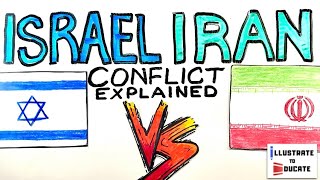
Introduction: Navigating the Iran-Israel Conflict
The ongoing conflict between Iran and Israel is escalating, with recent missile launches and military strikes drawing global attention. This article examines the historical roots, current dynamics, and potential future impacts of this critical geopolitical issue.
Background: Historical Context of Iran-Israel Relations
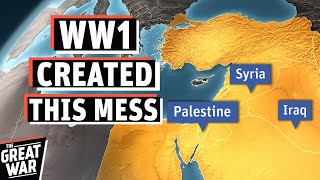
Historically, the relationship between Iran and Israel has been fraught with tension, dating back to the Islamic Revolution of 1979. Prior to this, Iran and Israel maintained diplomatic relations. However, the revolution brought about a shift in Iran's foreign policy, with the new regime adopting an anti-Israel stance.
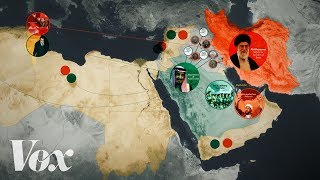
Iran's support for groups opposed to Israel, such as Hezbollah and Hamas, has further strained relations. Over the decades, these tensions have manifested in various forms, including proxy wars and economic sanctions.
Current Situation: Escalation of Military Actions
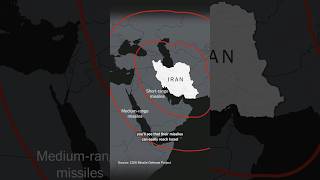
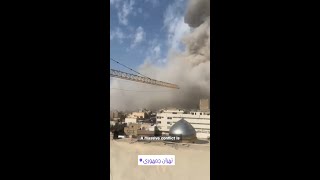
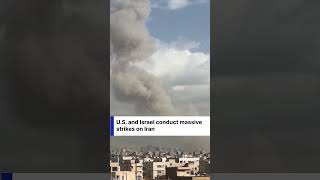
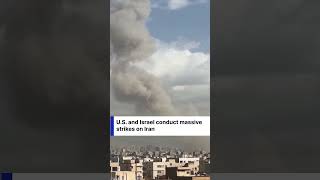
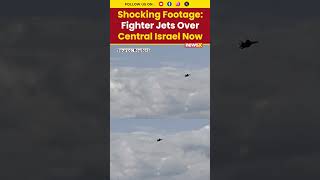
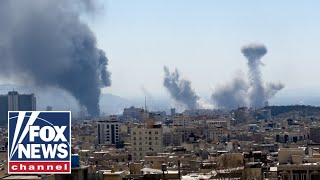
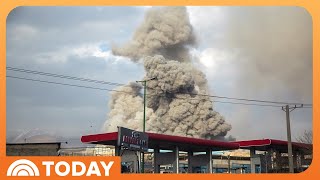
According to AP News, Iran has launched missiles at Israeli targets, escalating the conflict to a new level. In response, Israel has conducted military strikes in Lebanon, marking a significant intensification in hostilities. The military engagements are occurring amidst a backdrop of regional instability and shifting alliances.
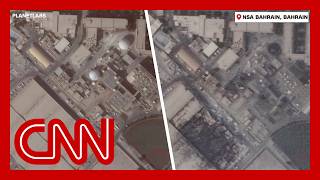
Data from regional monitoring groups indicate an increase in the frequency and intensity of these attacks, highlighting the volatile nature of the situation. The involvement of US bases further complicates the geopolitical landscape, drawing in international actors.
Deep Analysis: Factors Driving the Conflict
Several factors are contributing to the current escalation. Firstly, the ideological divide between Iran's Islamic regime and Israel's government continues to fuel hostilities. Secondly, the strategic interests in maintaining regional influence play a crucial role, with both nations seeking to assert dominance in the Middle East.
Furthermore, international sanctions and diplomatic pressures have impacted Iran's economy, potentially influencing its decision to engage in military actions. The power dynamics within the region, including the roles of other Middle Eastern countries, are also critical in understanding the complexities of the conflict.
Impact/Outlook: Global Implications of the Conflict
The ongoing conflict poses significant risks for regional and global stability. In the short term, increased military actions could lead to greater civilian casualties and humanitarian crises. In the long term, the conflict risks drawing in more international players, potentially leading to broader geopolitical shifts.
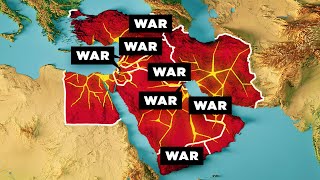
Experts suggest that without diplomatic intervention, the situation could worsen, impacting global oil markets and economic stability. The potential for wider Middle Eastern involvement remains a concern, with countries like Lebanon and Syria already experiencing spillover effects.
Practical Implications: What Can Be Done?
For policymakers and international observers, understanding the intricacies of the Iran-Israel conflict is crucial. Diplomatic efforts should focus on de-escalating tensions and promoting dialogue between the two nations. Additionally, humanitarian aid organizations must prepare for potential increases in refugee flows and humanitarian needs.
Individuals and entities operating in the region should remain informed of the developments and potential risks, adjusting their strategies accordingly. Supporting peace-building initiatives and fostering regional cooperation could also contribute to long-term stability.
Key Takeaways
- The Iran-Israel conflict has deep historical roots, with ideological and strategic factors driving current hostilities.
- Recent escalations involve missile launches and military strikes, posing significant risks for regional stability.
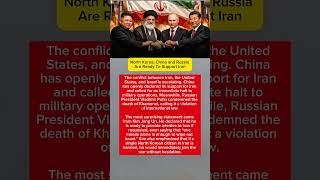
- International involvement, including US bases, adds complexity to the geopolitical landscape.
- Short-term impacts include potential humanitarian crises; long-term impacts could affect global markets.
- Diplomatic intervention and dialogue are crucial to de-escalating tensions.
- Understanding regional dynamics and supporting peace-building initiatives are essential for stakeholders.