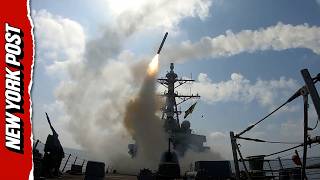
U.S. Tomahawk Missiles: Strategic Implications
The deployment of hundreds of Tomahawk missiles by the U.S. in the Middle East raises critical questions about military strategy and global security dynamics. This article examines the underlying strategies, potential impacts, and future outlook of this significant military action.
Introduction
The recent use of hundreds of Tomahawk missiles by the United States in the Middle East has sparked intense debate over military strategy and international security. This development is significant due to its potential to reshape geopolitical dynamics and influence future military engagements.
Background/Context
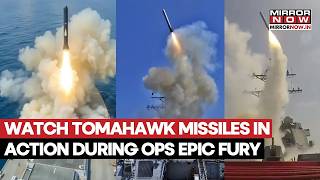
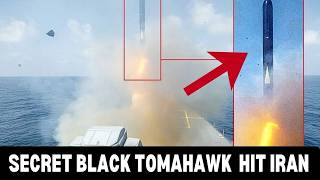
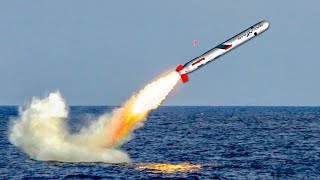
The Tomahawk missile, a long-range, all-weather, subsonic cruise missile, has been a cornerstone of U.S. military strategy since the 1980s. Originally developed by Raytheon, it serves a critical role in precision strike capabilities, allowing the U.S. to engage targets with high accuracy from significant distances. The missile's evolution has seen it adapted for various platforms, including naval ships and submarines, which enhances its strategic deployment flexibility.
Historically, the use of Tomahawk missiles has been associated with high-stakes military operations, such as the Gulf War, the Iraq invasion, and various operations in Afghanistan. Their deployment often signals a serious escalation in military engagement and a commitment to achieving strategic objectives without deploying ground forces.
Current Situation
According to reports, the U.S. has recently deployed hundreds of Tomahawk missiles in response to escalating tensions in the Middle East. This action comes amidst a backdrop of prolonged conflicts and diplomatic stalemates, particularly involving Iran. The Pentagon's decision reflects a strategic choice to leverage advanced missile technology to project power and deter adversarial actions.
Data from defense analysts indicate that this deployment is part of a broader strategy to maintain a robust military presence in the region, ensuring that U.S. interests are protected while sending a clear message to both allies and adversaries. The move has prompted discussions within the Pentagon about the sustainability of such military strategies, given the resource intensiveness and potential for unintended escalation.
Deep Analysis
The underlying causes of this missile deployment can be traced to several factors. Firstly, the geopolitical landscape of the Middle East remains volatile, with various state and non-state actors vying for influence. The U.S., aiming to uphold its strategic interests, views the deployment of Tomahawk missiles as a necessary measure to counteract potential threats.
Secondly, the internal dynamics within the U.S. defense establishment reveal a complex decision-making process that balances immediate tactical needs with long-term strategic goals. The use of Tomahawk missiles is not merely a tactical choice but part of a comprehensive strategy that involves diplomatic, economic, and military components.
Finally, stakeholder dynamics play a crucial role. Key U.S. allies in the region, such as Israel and Saudi Arabia, are closely monitoring the situation, as the missile deployment may impact regional security arrangements and alliances.
Impact/Outlook
In the short term, the deployment of Tomahawk missiles is expected to stabilize the immediate security situation by deterring adversarial actions. However, this stability might be temporary, as adversaries could adapt their strategies in response.
Long-term projections suggest that reliance on such military assets could lead to an arms race in the region, prompting other nations to invest in similar capabilities. This scenario underscores the importance of diplomatic efforts to complement military strategies, aiming for sustainable peace and security.
Practical Implications
For policymakers, the current situation underscores the need for a balanced approach that integrates military readiness with diplomatic initiatives. Engaging in multilateral dialogues and fostering regional cooperation can help mitigate the risk of escalation.
For defense analysts and strategists, understanding the implications of missile deployments is crucial for forecasting future military engagements and advising on resource allocation.
For the general public, staying informed about these developments is essential for understanding the broader implications of military actions on global security and economic stability.
Key Takeaways
- The deployment of Tomahawk missiles highlights the U.S.'s strategic priorities in the Middle East.
- Tomahawk missiles are integral to U.S. military strategy due to their precision and flexibility.
- Current geopolitical tensions necessitate a robust U.S. military presence in the region.
- Long-term stability requires diplomatic efforts alongside military strategies.
- Stakeholders must navigate complex dynamics to achieve sustainable peace.
- Public awareness of these issues is crucial for informed discourse on national security.
So what should we do? Policymakers, strategists, and citizens alike must advocate for balanced approaches that prioritize both security and diplomacy, ensuring that military actions are complemented by efforts to achieve lasting peace.