Saudi Push for US-Iran Tensions: A Complex Web
Saudi Arabia's call for increased US action against Iran highlights a complex geopolitical landscape. Understanding the intricate dynamics and potential consequences is crucial for stakeholders and global observers.
Introduction
Saudi Arabia is urging the United States to ramp up military actions against Iran, a move that underscores the intricate geopolitical tensions in the Middle East. Analyzing these developments reveals the multifaceted power struggles shaping regional and global politics today.
Background/Context
The historical rivalry between Saudi Arabia and Iran has deep roots, often revolving around religious, economic, and political dominance in the Middle East. The Sunni-majority Saudi Arabia and Shia-majority Iran have been at odds for decades, each supporting opposing factions in regional conflicts, such as in Yemen and Syria.
Saudi Arabia's alliance with the United States dates back to the post-World War II era, primarily driven by oil interests and mutual opposition to Soviet influence. This relationship has evolved, with strategic military and economic partnerships playing key roles.
Current Situation
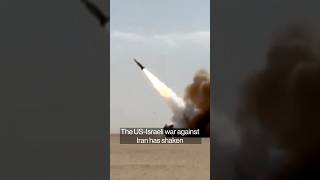
According to intelligence sources, Saudi Arabia is pressing the United States to escalate its stance against Iran, amidst ongoing negotiations related to Iran's nuclear program. This is occurring alongside heightened military activities in the region, including increased naval deployments and joint military exercises.
Data from defense analysts indicates that the U.S. has been cautious in balancing its diplomatic engagements with Iran while maintaining its long-standing alliance with Saudi Arabia. The current U.S. administration is navigating these complexities amidst domestic and international pressures.
Deep Analysis
The underlying causes of Saudi Arabia's recent push are multifaceted. Economically, Saudi Arabia fears the impact of a potentially resurgent Iran if sanctions are lifted, which could shift the balance of power in the oil market. Politically, Saudi Arabia aims to reinforce its regional leadership by aligning closely with the U.S.
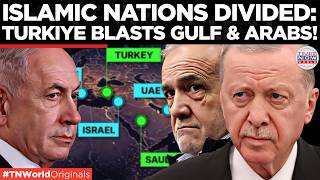
Stakeholders in this dynamic include not only the U.S. and Saudi Arabia but also other regional players like Israel, the European Union, and global energy markets. The power structures involved are deeply interconnected, with military, economic, and diplomatic threads weaving a complex tapestry.
Impact/Outlook
In the short term, increased military actions could lead to heightened tensions and potential conflicts in the Middle East, affecting global oil prices and international relations. In the long term, this move could reshape alliances, with new geopolitical dynamics emerging as countries reassess their positions.
Experts suggest that the current tensions could either lead to a recalibration of power in the region or escalate into broader conflicts if diplomatic efforts fail. The economic implications for global markets, particularly energy, are significant and warrant close monitoring.
Practical Implications
For policymakers, understanding the intricate dynamics at play is crucial for crafting informed responses. Businesses, particularly in the energy sector, should prepare for potential market volatility. For the general public, staying informed about these developments can provide valuable context for understanding global news and its implications.
Key Takeaways
- Saudi Arabia's push for U.S. action against Iran highlights deep-rooted regional tensions.
- The historical rivalry between Saudi Arabia and Iran is driven by religious, economic, and political factors.
- Current U.S. foreign policy aims to balance diplomatic and military strategies amidst complex alliances.
- The short-term impact includes potential regional conflicts and market volatility.
- Long-term scenarios could reshape geopolitical alliances and power dynamics in the Middle East.
- Stakeholders should monitor developments closely and prepare for potential economic and political shifts.