Analyzing the US-Iran Conflict: Current Dynamics
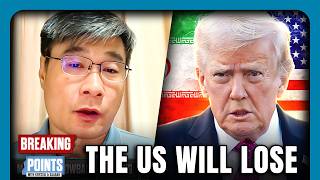
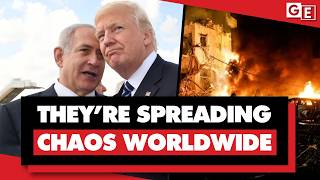
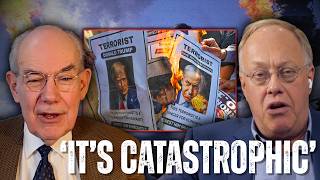
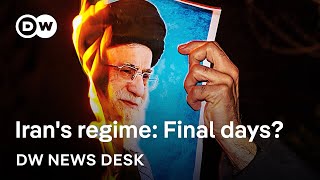
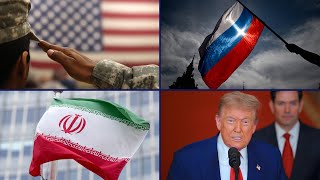
The ongoing US-Iran conflict continues to dominate international politics, with recent developments raising questions about the future of diplomatic relations and regional stability. This comprehensive analysis delves into the historical context, current geopolitical dynamics, and potential future scenarios.
Introduction
The US-Iran conflict remains a central issue in international politics, with recent events showing no signs of resolution. Understanding the complexities of this conflict is crucial for comprehending its global ramifications and exploring potential pathways to peace.
Historical Context
The roots of the US-Iran conflict can be traced back to the 1953 coup d'état in Iran, orchestrated by the CIA and MI6, which ousted Prime Minister Mohammad Mossadegh. This event marked the beginning of a long-standing adversarial relationship characterized by mutual distrust and geopolitical maneuvering.
Following the Islamic Revolution in 1979, US-Iran relations soured further, particularly with the hostage crisis at the US Embassy in Tehran. The subsequent decades saw fluctuating tensions, with the US implementing economic sanctions and Iran pursuing nuclear capabilities, each viewing the other as a strategic threat.
Current Situation
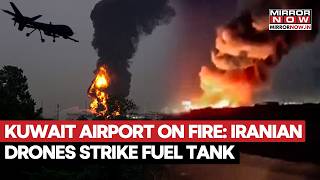
The conflict has intensified in recent years, with the US's withdrawal from the Joint Comprehensive Plan of Action (JCPOA) in 2018 and the re-imposition of sanctions on Iran. These actions have exacerbated economic hardships in Iran, leading to increased hostility and military confrontations in the region.
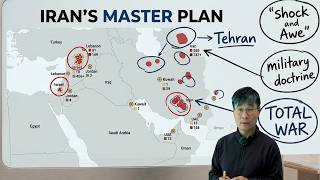
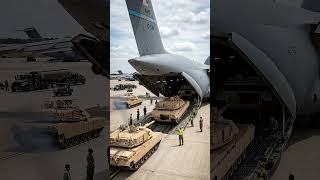
According to recent reports, the US has maintained a military presence in the Persian Gulf, while Iran continues to engage in strategic partnerships with regional actors like Russia and China. This geopolitical chess game remains fraught with potential for escalation.
Deep Analysis
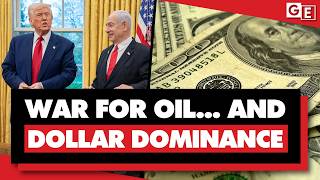
The underlying causes of the US-Iran conflict are deeply rooted in ideological differences, regional power struggles, and economic interests. The US aims to curtail Iran's influence in the Middle East, particularly in countries like Syria, Iraq, and Yemen, while Iran seeks to assert its sovereignty and regional dominance.
Stakeholders in this conflict include various nations with vested interests, such as Israel, Saudi Arabia, and the European Union, each playing a role in shaping the discourse and potential resolutions. The power dynamics at play involve balancing military might, economic sanctions, and diplomatic negotiations.
Impact and Outlook
The short-term outlook for the US-Iran conflict is uncertain, with potential for both escalation and diplomatic engagement. The recent easing of tensions with Iran allowing passage of oil ships could signal a willingness for dialogue, yet skepticism remains due to ongoing military posturing.
Long-term scenarios depend on several factors, including changes in US leadership, Iran's domestic politics, and the broader international community's stance on nuclear proliferation. The potential for a peaceful resolution exists, but requires significant diplomatic efforts and mutual concessions.
Practical Implications
For policymakers and international observers, understanding the complexities of the US-Iran conflict is essential for crafting effective strategies. Engaging in multilateral diplomacy, supporting regional stability initiatives, and promoting economic cooperation are potential pathways to mitigate tensions.
For citizens, staying informed about developments and advocating for peaceful resolutions through civic engagement can contribute to a broader understanding and support for conflict resolution efforts.
Key Takeaways
- The US-Iran conflict has deep historical roots and remains a pivotal issue in international politics.
- Recent developments highlight ongoing tensions and the potential for both escalation and diplomatic engagement.
- Understanding the geopolitical dynamics and stakeholder interests is crucial for forecasting future scenarios.
- Long-term resolution requires significant diplomatic efforts and multilateral cooperation.
- Citizens and policymakers alike play a role in advocating for peace and stability in the region.