Iran Peace Talks: Analyzing the U.S. 15-Point Plan
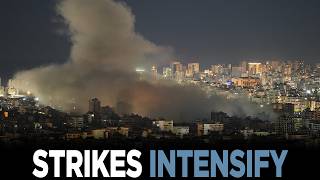
The U.S. has proposed a 15-point plan to Iran aimed at ending the ongoing conflict. This analysis explores the historical context, current stakes, and potential outcomes of these peace negotiations.
Introduction
Amid escalating tensions, the U.S. has forwarded a 15-point peace plan to Iran, seeking to resolve a protracted conflict that has global repercussions. Understanding the nuances of this proposal is crucial, as it could reshape international relations and economic landscapes.
Background/Context
The conflict between the U.S. and Iran has deep roots, tracing back to the 1979 Iranian Revolution and subsequent hostage crisis. Since then, geopolitical tensions have been exacerbated by nuclear proliferation concerns, regional power struggles, and economic sanctions.
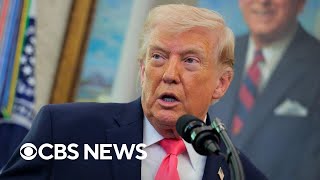
The Joint Comprehensive Plan of Action (JCPOA), signed in 2015, temporarily eased tensions by limiting Iran's nuclear capabilities in exchange for sanction relief. However, the U.S. withdrawal from the agreement in 2018 under the Trump administration reignited hostilities.
Current Situation
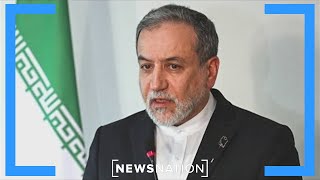
According to reports from major news outlets, the U.S. has presented a comprehensive 15-point plan to Iran, aiming to de-escalate military activities and address longstanding grievances. The specifics of the plan remain undisclosed, but it is believed to include provisions for reducing sanctions in exchange for nuclear compliance.
Industry sources indicate that the mere prospect of a diplomatic resolution has already influenced global oil prices, with market volatility reflecting uncertainty over the talks' outcomes.
Deep Analysis
The U.S. initiative reflects a strategic pivot towards diplomatic engagement, acknowledging the limitations of military and economic pressure. The plan's success hinges on several factors: Iran's willingness to comply with nuclear inspections, regional security assurances, and the lifting of economic sanctions.
Expert opinions suggest that the plan's effectiveness will also depend on broader international support, particularly from European Union countries and Russia, which have historically played mediating roles in Iran's nuclear discussions.
Impact/Outlook
Short-term impacts of successful negotiations could include stabilization of regional tensions and a boost to global oil markets. Long-term, a comprehensive agreement could herald a new era of U.S.-Iran relations, potentially influencing Middle Eastern geopolitics and global security dynamics.
However, skepticism remains. Previous attempts at diplomacy have faltered due to mutual distrust and domestic political pressures on both sides. The U.S. Congress and Iranian hardliners pose significant obstacles to ratifying any potential agreement.
Practical Implications
For policymakers and businesses, understanding the implications of the U.S.-Iran talks is vital. Companies involved in energy, finance, and logistics should monitor developments closely, as successful talks could open new markets and alter supply chains.
Citizens in affected regions may experience a reprieve from conflict-related disruptions, though the path to sustained peace is uncertain.
Key Takeaways
- The U.S. has proposed a 15-point plan to Iran, aiming to resolve ongoing conflicts.
- Historical tensions stem from post-revolutionary power dynamics and nuclear disputes.
- The current proposal could influence global oil markets and regional stability.
- Success depends on diplomatic engagement and international consensus.
- Long-term peace requires overcoming domestic political hurdles in both nations.