Iran Tensions: Oil, Gold, and Global Economy
As tensions between Iran and Israel escalate, the global economy faces increased uncertainty. This comprehensive analysis explores the implications for oil and gold markets, and the potential impact on international trade and political alliances.

Introduction
The escalating tensions between Iran and Israel have reignited concerns over global economic stability, particularly affecting oil and gold markets. Understanding these dynamics is crucial for policymakers and investors alike.
Background/Context
The geopolitical tensions between Iran and Israel have deep historical roots, with conflicts dating back to the 20th century. Recent events have heightened these tensions, leading to significant economic repercussions.
Historically, the Middle East's geopolitical landscape has been shaped by religious, economic, and political factors. Iran's strategic location and its vast oil reserves have made it a pivotal player in regional and global politics.
According to historical records, Iran's conflicts with Israel have often coincided with broader regional unrest, impacting the global economy through oil supply disruptions and market volatility.
Current Situation
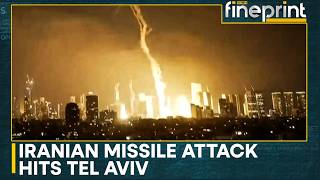
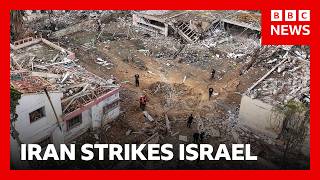
Data from the World Bank indicates that Iran is one of the largest oil producers globally, and disruptions in its oil supply can have far-reaching effects. Current missile strikes and threats to the Strait of Hormuz have caused oil prices to fluctuate significantly.
Gold prices have also reacted to these tensions. The precious metal, often seen as a safe haven, jumped by 2% recently as investors sought refuge amid uncertainty.
Industry sources indicate that the ongoing talks between the US and Iran, led by former President Trump's administration, are being closely watched by global markets, as any resolution could stabilize or further disrupt the current economic balance.
Deep Analysis
The underlying causes of the Iran-Israel tensions are complex, involving regional power struggles and international diplomatic failures. The situation is further complicated by Iran's relationships with Gulf Arab states and other Middle Eastern countries.
Experts from the Council on Foreign Relations suggest that Iran's military actions are partly a response to perceived threats from Israel and the US, and partly a show of strength to domestic and international audiences.
Power structures, including alliances with Russia and China, play a crucial role in how these tensions unfold. According to a recent analysis by the International Crisis Group, Iran's partnerships could either mitigate or exacerbate the conflict, depending on diplomatic developments.
Impact/Outlook
The short-term impact on the global economy includes increased oil prices and heightened market volatility. In the long term, sustained tensions could lead to shifts in global trade routes and energy policies.
According to the International Energy Agency, prolonged disruptions in the Strait of Hormuz could force countries to diversify their energy imports, potentially accelerating the transition to renewable energy sources.
Political analysts project that these tensions may also influence upcoming elections in key countries, where foreign policy and economic stability are likely to be major campaign issues.
Practical Implications
Investors and policymakers need to closely monitor developments in the Middle East. Diversifying investment portfolios to include safe-haven assets like gold could mitigate risks associated with market volatility.
Policymakers should consider diplomatic strategies that address the root causes of the conflict, rather than merely responding to its symptoms. Collaborative international efforts could help stabilize the region.
For businesses, particularly those in energy-dependent industries, scenario planning is essential to prepare for potential supply chain disruptions and price fluctuations.
Key Takeaways
- The Iran-Israel tensions have deep historical roots and significant economic implications.
- Oil and gold markets are highly sensitive to geopolitical developments in the Middle East.
- Short-term impacts include market volatility, while long-term effects could alter global trade and energy policies.
- Diplomatic efforts are crucial for mitigating conflict and stabilizing the global economy.
- Investors should consider diversifying portfolios to include safe-haven assets like gold.
- Businesses must prepare for potential supply chain disruptions.
- International collaboration is key to resolving underlying geopolitical tensions.