Iran-Israel Tensions: Analyzing Escalating Conflicts
Iran and Israel's ongoing tensions are escalating, impacting regional stability and international relations. Explore the historical context, current developments, and potential future scenarios of this complex geopolitical issue.
Introduction: A Region on Edge
The escalating tensions between Iran and Israel have taken a significant turn, affecting not only these countries but also global geopolitics. The recent military actions and rhetoric have heightened fears of a broader conflict, making it imperative to understand the underlying dynamics.
Background: Historical Roots of Conflict
The hostility between Iran and Israel dates back to the 1979 Iranian Revolution, when Iran shifted from ally to adversary of Israel. Over the decades, ideological differences, proxy conflicts, and nuclear ambitions have fueled mutual animosity. Understanding this history is crucial to comprehending current developments.
Current Situation: Recent Escalations
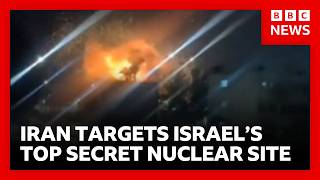
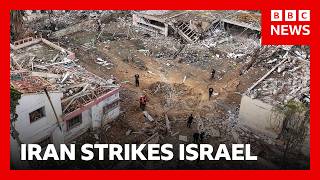
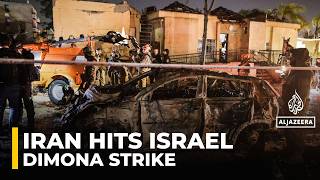
Recent reports, such as those from Al Jazeera and CNN, indicate that Iran has launched missile strikes near Israel's nuclear sites, while the latter has intensified its own military operations. These actions follow a series of retaliatory measures, highlighting the volatile nature of their interactions.
Military Movements
According to defense analysts, both nations have ramped up military readiness, with Israel deploying Iron Dome missile defense systems and Iran mobilizing Revolutionary Guard units. These developments underscore the immediacy of the threat.
International Reactions
The international community, including the United Nations and key world powers, have expressed concern over the escalating situation. Diplomatic efforts are underway, but with little consensus on a viable path to de-escalation.
Deep Analysis: Underlying Causes and Stakeholder Dynamics
The core issues driving this conflict include Iran's nuclear program, Israel's security concerns, and regional power struggles. Iran's pursuit of nuclear capabilities is seen as a direct threat by Israel, prompting preemptive strikes and intelligence operations.
Regional Alliances
Iran's alliances with groups like Hezbollah and Hamas pose additional threats to Israel's security, while Israel's partnerships with Arab states under the Abraham Accords have altered regional dynamics.
Global Power Plays
The involvement of global powers, notably the United States and Russia, adds layers of complexity. The U.S. supports Israel's security measures, while Russia's ties with Iran complicate diplomatic efforts.
Impact/Outlook: Short and Long-term Scenarios
In the short term, continued military confrontations are likely, with the potential for escalation into a broader conflict. Long-term peace prospects hinge on diplomatic breakthroughs, possibly involving renewed nuclear negotiations.
Potential Resolutions
Experts suggest that confidence-building measures, such as arms control agreements and direct dialogues, could pave the way for de-escalation. However, geopolitical realities and domestic politics in both nations pose significant barriers.
Practical Implications for Stakeholders
For policymakers, understanding the nuances of Iran-Israel relations is critical for crafting effective strategies. Engaging regional partners and leveraging international institutions can help mitigate risks.
Advice for Businesses
Companies operating in the region should prepare for potential disruptions, considering geopolitical risks in their strategic planning and risk management frameworks.
Key Takeaways
- The Iran-Israel conflict is rooted in decades of historical and ideological differences.
- Recent military actions have escalated tensions, with global implications.
- Diplomatic efforts are ongoing but face significant challenges due to complex stakeholder dynamics.
- Short-term prospects for peace are uncertain; long-term solutions require sustained international cooperation.
- Businesses and policymakers must remain vigilant to the rapidly changing geopolitical landscape.
- Understanding the broader regional and global context is essential for informed decision-making.