Tonga Earthquake: Assessing the Impact and Future Risks
A powerful 7.6 magnitude earthquake has struck near Tonga, raising concerns about the immediate impact and long-term seismic risks in the South Pacific region. This article explores the historical context, current situation, and potential implications for regional stability.
Introduction
A 7.6 magnitude earthquake has recently struck near Tonga, highlighting the vulnerability of the South Pacific region to seismic activity. Understanding the current situation and potential risks is crucial for disaster preparedness and regional stability.
Background and Context
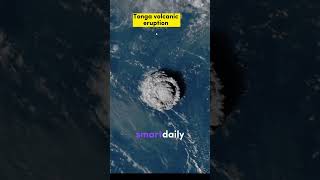
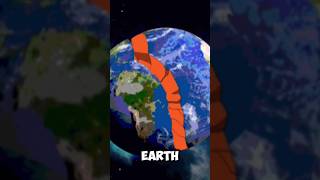
The South Pacific region, including Tonga, lies along the Pacific Ring of Fire, a zone known for its high seismic activity due to tectonic plate movements. Historically, this area has experienced significant earthquakes and volcanic eruptions, shaping both the geography and the lives of its inhabitants.
According to geological surveys, Tonga is situated at the convergence of the Pacific and Indo-Australian plates, making it susceptible to frequent and sometimes severe seismic events. Past earthquakes, such as the 2009 event that generated a deadly tsunami, serve as reminders of the potential for disaster.
Current Situation
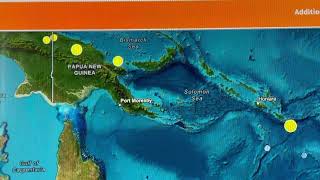
The recent earthquake near Tonga was reported by the United States Geological Survey (USGS) with a preliminary magnitude of 7.6. The quake's depth and distance from populated areas have so far mitigated widespread damage, but assessments are ongoing.
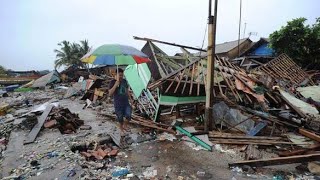
Local authorities, supported by international organizations, are currently evaluating the infrastructure impact and coordinating relief efforts. Reports indicate that communication disruptions and minor structural damage have occurred, with more detailed evaluations expected in the coming days.
Deep Analysis
Seismic experts highlight that the underlying cause of the earthquake is the subduction of the Pacific plate beneath the Indo-Australian plate. This tectonic activity leads to significant stress accumulation, which is eventually released as earthquakes.
Stakeholder dynamics involve local governments, international aid agencies, and scientific communities working together to enhance earthquake readiness. The region's reliance on traditional infrastructure poses challenges, underscoring the need for modernization and robust early warning systems.
Impact and Outlook
In the short term, the focus is on immediate relief and ensuring the safety of affected populations. Long-term scenarios involve enhancing resilience through improved building codes and disaster preparedness education.
Experts suggest that ongoing geological monitoring and investment in technology can mitigate future risks. The potential for aftershocks and secondary hazards, such as tsunamis, remains a concern, necessitating continuous vigilance.
Practical Implications
Residents in seismic zones like Tonga can benefit from preparing emergency kits, participating in community drills, and staying informed via official channels. Governments are advised to invest in infrastructure that can withstand significant seismic events.
On a broader scale, international collaboration in research and resource allocation is vital for developing comprehensive disaster response strategies.
Key Takeaways
- The South Pacific is a high-risk seismic zone due to tectonic plate interactions.
- The recent 7.6 magnitude earthquake near Tonga emphasizes the need for robust disaster preparedness.
- Immediate relief efforts are focused on assessing damage and ensuring public safety.
- Long-term resilience depends on infrastructure modernization and community education.
- Ongoing international support and collaboration are crucial for effective risk management.
- Investments in early warning systems and monitoring technology can save lives.