Iran Conflict: Economic Ripples and Market Reactions
As the conflict in Iran continues, global markets are feeling the strain. This article delves into how ongoing tensions are impacting economic stability, investor confidence, and future market projections, providing expert analysis and actionable insights for stakeholders.

Introduction
The ongoing conflict in Iran is casting a long shadow over global markets, raising questions about economic stability and future projections. This situation holds significant implications for investors, policymakers, and ordinary citizens worldwide.
Background/Context
The roots of the current conflict in Iran can be traced back to long-standing geopolitical tensions in the Middle East. Historically, the region has been a flashpoint due to competing national interests, religious divides, and strategic resources such as oil. The current conflict escalated following a series of military engagements and political maneuvers that disrupted established power balances.
According to reports, the conflict intensified following Iran's decision to resume certain nuclear activities, which drew international condemnation and subsequent economic sanctions. These actions have historically led to increased volatility in global markets, as seen in past conflicts involving major oil-producing regions.
Current Situation
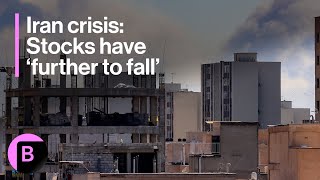
Presently, the conflict is manifesting in various economic indicators. According to Bloomberg, stock markets have been experiencing a downturn, with major averages on track for a fourth consecutive losing week. This trend is attributed to heightened investor anxiety over potential disruptions to global oil supplies and the broader economic fallout from prolonged conflict.
Data from the International Energy Agency suggests that disruptions in the Strait of Hormuz, a critical chokepoint for oil transportation, could significantly impact global oil prices. This has led to increased volatility in energy markets, with traders closely monitoring developments in the region.
Deep Analysis
The underlying causes of market reactions to the Iran conflict are multifaceted. Firstly, the perception of risk has increased among investors, leading to a 'flight to safety' where capital is moved to less risky assets such as gold and government bonds. Secondly, the potential for supply chain disruptions in oil and gas has raised concerns about inflationary pressures, particularly in energy-dependent economies.
According to industry sources, the conflict also highlights the interconnectedness of global markets, where regional instability can have far-reaching economic implications. The role of major powers, including the United States and its allies, adds another layer of complexity as diplomatic efforts are underway to de-escalate tensions.
Impact/Outlook
In the short term, market volatility is expected to persist as geopolitical uncertainties remain unresolved. The potential for further escalation could lead to more significant economic disruptions, impacting sectors beyond energy, including manufacturing and technology, due to increased operational costs and supply chain challenges.
Long-term projections remain uncertain, with the possibility of a diplomatic resolution providing a path to market stabilization. However, industry analysts caution that even a ceasefire or peace agreement could take considerable time to yield positive economic outcomes due to the deep-seated nature of the conflict.
Practical Implications
For investors, the current situation underscores the importance of diversification and risk management strategies. Allocating assets across different sectors and geographies can help mitigate potential losses from region-specific disruptions.
Policymakers are advised to closely monitor inflationary trends and prepare contingency plans to support affected industries. Engaging in diplomatic efforts to promote stability in the region is crucial for long-term economic recovery.
Key Takeaways
- The Iran conflict is significantly impacting global markets, with stock volatility and energy price fluctuations.
- Investors are shifting towards safer assets in response to increased geopolitical risks.
- Potential disruptions in oil supply chains could exacerbate inflationary pressures globally.
- Short-term market volatility is likely to continue, with long-term outcomes dependent on diplomatic resolutions.
- Diversification and strategic risk management are essential for investors navigating current uncertainties.
- Policymakers should focus on stabilizing economies and supporting affected sectors through policy interventions.