Border Wall Expansion: Environmental and Cultural Impact
The massive border wall expansion is raising alarms over environmental and cultural impacts. This article delves into the expansion's pace, its threat to biodiversity, and the cultural heritage at risk. Understand the full spectrum of implications and stakeholder perspectives.
Introduction
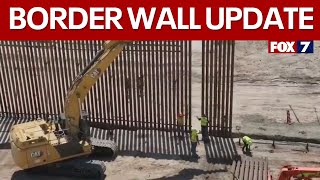
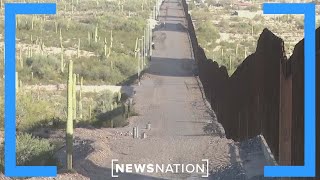
A massive border wall expansion is currently underway, raising significant concerns about its environmental and cultural impacts. This expansion is being closely scrutinized due to the potential for irreversible damage to pristine lands and cultural sites.
Background/Context
The construction of border walls has a long and controversial history, often driven by political agendas and security concerns. Historically, these structures have been seen as a means to control migration and bolster national security. However, their environmental and cultural implications have often been overlooked.
According to historical data, previous expansions have resulted in habitat fragmentation and biodiversity loss. The current expansion, according to The Washington Post, is described as aggressive, sparking debates over its necessity and impact.
Current Situation
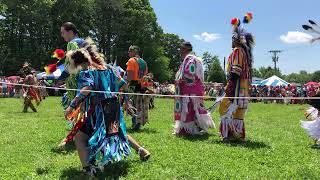
At present, the construction activities are proceeding at a rapid pace. Data from environmental advocacy groups indicates that areas previously untouched are now being disrupted, threatening endangered species and ecosystems. The impact on cultural heritage sites is also a major concern, with Indigenous communities voicing strong opposition.
Industry sources indicate that the expansion could cut off access to sacred Indigenous and archaeological sites. The construction is taking place across several states, with varying local responses and legal challenges.
Deep Analysis
The underlying causes of this expansion are multifaceted. Security and immigration control remain primary drivers, yet the political landscape is heavily influencing the rate and scope of construction. Stakeholder dynamics are complex, with federal and state governments, environmental groups, and Indigenous communities all having vested interests.
According to experts, the expansion is a reflection of broader geopolitical strategies, with significant resources allocated to its execution. The power structures at play involve federal mandates overriding local conservation efforts, leading to heightened tensions.
Impact/Outlook
Short-term impacts are already visible, with immediate disruptions to local wildlife and ecosystems. In the long term, the expansion could lead to permanent ecological degradation and the loss of cultural heritage, according to conservation reports.
Projections suggest that if construction continues unchecked, the region could see a decline in biodiversity, impacting tourism and local economies. Legal challenges may slow the pace, but the overall trajectory remains concerning.
Practical Implications
For those looking to engage with this issue, supporting local advocacy groups and staying informed through credible sources is crucial. Engaging in public discourse and participating in policy advocacy can help influence the decision-making process.
Environmental and cultural preservation efforts can be bolstered by community involvement and collaboration with recognized environmental organizations.
Key Takeaways
- The border wall expansion is proceeding at a rapid pace with significant environmental and cultural risks.
- Historical context shows that border walls often lead to habitat fragmentation and biodiversity loss.
- Current construction is threatening endangered species and cutting off access to sacred sites.
- Complex stakeholder dynamics involve federal mandates and local opposition.
- Short-term and long-term ecological impacts are of major concern, with potential legal challenges on the horizon.
- Active public engagement and advocacy are essential to address these issues.



![America's 11 Most Endangered Historic Places Overview [Captions]](https://img.youtube.com/vi/H_6V3qYDbn4/mqdefault.jpg)
![[ANNOUNCEMENT] 2015 America’s 11 Most Endangered Historic Places®](https://img.youtube.com/vi/h8ZmIcg-Sxk/mqdefault.jpg)