Iran War Escalates: Impact on Global Energy
The escalating conflict involving Iran and Israel has profound implications for global energy markets. As hostilities threaten crucial infrastructures, stakeholders worldwide brace for potential disruptions. Explore the underlying factors and future scenarios in this comprehensive analysis.
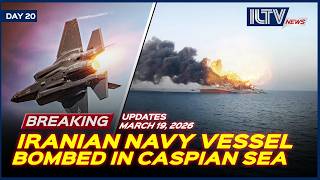
Introduction
The escalating Iran-Israel conflict is now threatening the global energy infrastructure, drawing worldwide attention due to its potential to destabilize energy markets. The situation is critical, as it could have far-reaching consequences for economies dependent on energy imports.
Background/Context
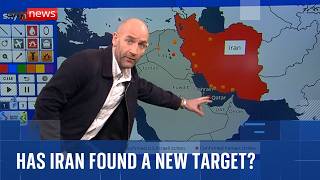
The longstanding tensions between Iran and Israel have periodically flared into open conflict, but the recent escalation marks a significant shift. Historically, these tensions have roots in geopolitical, religious, and historical disputes that date back decades. The South Pars gas field, targeted in the recent Israeli strike, is one of the world's largest natural gas reserves, and its strategic importance cannot be overstated.
According to the International Energy Agency (IEA), the Persian Gulf region, including Iran, is a major supplier of global energy, contributing to around 20% of the world's oil production. The region's stability is thus critical to global energy security.
Current Situation
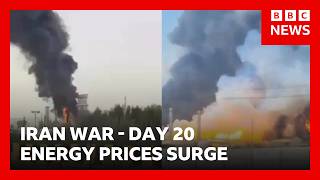
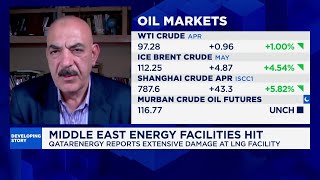
As of now, the conflict remains ongoing, with Iran retaliating against Israeli aggression. This has led to a direct impact on energy prices, which have spiked as markets react to the instability. Data from Reuters indicates that crude oil prices have surged by over 10% since the outbreak of hostilities.
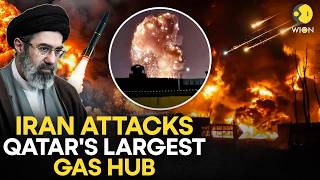
Industry sources indicate that the disruption of the South Pars gas field could lead to shortages in natural gas supplies, particularly affecting European and Asian markets that rely heavily on these imports.
Deep Analysis
The underlying causes of this conflict are deeply embedded in the geopolitical landscape of the Middle East. Iran's strategic positioning and its substantial energy reserves make it a focal point of international interest. Moreover, Israel's actions are influenced by a desire to curb Iran's influence in the region.
Stakeholder dynamics are complex, involving not just regional players like Saudi Arabia and the UAE, but also global powers including the United States, Russia, and China. Each has vested interests in either supporting or mitigating the conflict, often driven by their energy needs and political alliances.
Structural Factors
The global energy market operates on a delicate balance of supply and demand. Disruptions in major supply lines can lead to significant economic repercussions worldwide. The Strait of Hormuz, a critical chokepoint for oil transportation, is particularly vulnerable, with approximately 21 million barrels of oil passing through daily, as reported by the U.S. Energy Information Administration.
Impact/Outlook
In the short term, we can expect continued volatility in energy markets, with potential spikes in oil and gas prices if the conflict persists. This could lead to increased inflationary pressures globally, affecting both developed and emerging economies.
Long-term scenarios are more varied, depending on the resolution of the conflict. A protracted war could lead to sustained disruptions, prompting countries to seek alternative energy sources or accelerate the transition to renewable energy.
Practical Implications
For businesses and consumers, the immediate action is to brace for potential price increases in fuel and energy costs. Governments may need to consider strategic reserves and alternative supply lines to mitigate the impact.
For policymakers, there's a pressing need to engage in diplomatic efforts to de-escalate tensions and stabilize the energy market. Investing in energy diversification and renewable resources could provide a buffer against future shocks.
Key Takeaways
- The Iran-Israel conflict is significantly influencing global energy prices and stability.
- Historical tensions and strategic interests drive the conflict's underlying causes.
- Immediate market volatility is expected, with potential long-term shifts towards renewable energy.
- Stakeholders include regional powers, global economies, and international organizations.
- Policymakers must prioritize diplomatic resolutions and energy diversification.