Russia-Iran Satellite Tech Deal: Implications
Russia's sharing of satellite imagery and drone technology with Iran is a significant development with wide-ranging implications for international security dynamics. This article analyzes the motivations, potential impacts, and geopolitical stakes of this technology transfer.
Introduction
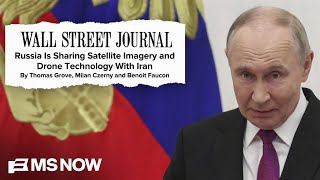
The recent revelation of Russia sharing satellite imagery and drone technology with Iran marks a pivotal development in global geopolitics. This move, reported by the Wall Street Journal, could shift power balances and raise concerns over regional security. Understanding the implications of this transfer is crucial for policymakers and international observers.
Background/Context
Russia and Iran have shared a complex relationship rooted in strategic cooperation and mutual interests. Historically, both nations have found common ground in countering Western influence, particularly that of the United States. This partnership has been evident in various military and economic collaborations over the past decades.
Russia's technological prowess in aerospace and defense is well-documented, with its satellite technology being pivotal for both military and civilian purposes. Iran, on the other hand, has been increasingly seeking to bolster its technological capabilities, particularly in surveillance and reconnaissance, to enhance its regional influence.
Current Situation
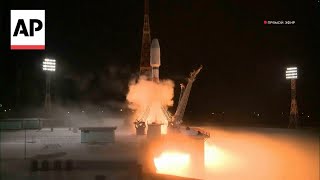
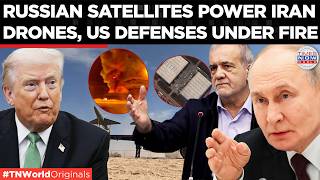
According to the Wall Street Journal, Russia is currently engaged in transferring advanced satellite and drone technology to Iran. This transfer includes sophisticated imagery that could enhance Iran's military and intelligence capabilities. Industry sources indicate that this technology could provide Iran with enhanced surveillance over critical regional areas, including the Persian Gulf and the Strait of Hormuz.
This development comes amidst heightened tensions in the Middle East, with various geopolitical actors closely monitoring the implications of this technology exchange. The timing of this transfer is particularly significant given the ongoing conflicts and the strategic importance of the region.
Deep Analysis
The motivations behind Russia's decision to share such sensitive technology with Iran are multi-faceted. From a strategic standpoint, this move aligns with Russia's broader objective of expanding its influence in the Middle East. By strengthening Iran's technological capabilities, Russia could be fostering a regional ally that serves its interests in countering Western hegemony.
Furthermore, the transfer of satellite and drone technology could offer Russia economic benefits, as Iran is likely to invest significantly in acquiring and maintaining such advanced systems. This economic incentive cannot be overlooked, especially in the context of sanctions and diplomatic pressures facing both nations.
Impact/Outlook
The short-term impact of this technology transfer is expected to be an increase in regional tensions. Neighboring countries, particularly those aligned with Western interests, may perceive this as a threat to their security and stability. In the long-term, the enhanced capabilities of Iran could shift the balance of power in the Middle East, potentially leading to new alliances and conflicts.
Projections indicate that this development could prompt other regional players to seek similar technological enhancements, potentially leading to an arms race in satellite and surveillance technologies. This scenario underscores the importance of diplomatic engagement and international oversight to prevent escalation.
Practical Implications
For policymakers and international observers, understanding the nuances of this technology transfer is essential. Engaging in proactive diplomacy and fostering dialogue between key stakeholders could mitigate potential conflicts. Additionally, investing in counter-surveillance technologies and strengthening regional alliances may serve as effective countermeasures.
For businesses and investors, the evolving geopolitical landscape presents both challenges and opportunities. Companies involved in defense and technology sectors may find new markets and partnerships, while also navigating the complexities of international regulations and sanctions.
Key Takeaways
- Russia's transfer of satellite and drone technology to Iran is a strategic move with significant geopolitical implications.
- This development could alter regional power dynamics, prompting heightened security concerns among neighboring countries.
- Economic incentives and strategic interests are key drivers behind Russia's decision to share advanced technology with Iran.
- The potential for an arms race in the Middle East underscores the need for diplomatic engagement and international oversight.
- Policymakers must prioritize proactive diplomacy to manage the risks associated with this technology transfer.