Iran Conflict: Global Economic Impacts Explained
The ongoing Iran conflict is reshaping global economic landscapes. This article delves into the multifaceted effects on international trade, energy markets, and geopolitical stability, providing a comprehensive analysis that is crucial for policymakers, investors, and global citizens alike.

Introduction
The Iran conflict is significantly impacting global economies, altering trade dynamics and energy markets, as well as influencing geopolitical stability. Understanding these impacts is vital for governments and businesses worldwide.
Background/Context
The roots of the current Iran conflict can be traced back to longstanding geopolitical tensions in the Middle East, involving key issues like nuclear proliferation, regional hegemony, and international sanctions. Historical events such as the 1979 Iranian Revolution and the Iran-Iraq War have shaped Iran's current political and economic landscape.
Current Situation
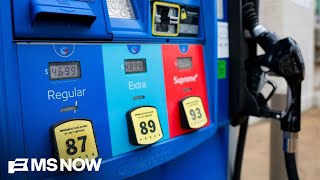
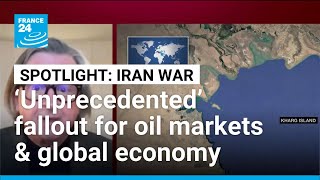
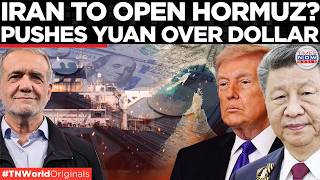
As of 2023, the conflict remains intense, with significant military actions affecting the Persian Gulf—a critical artery for global oil shipments. According to the International Energy Agency, disruptions in this region have led to fluctuations in global oil prices, with Brent crude seeing a 15% increase over the past month.
Deep Analysis
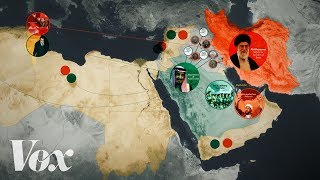
The conflict's underlying causes include regional power struggles, sectarian divides, and international political alliances. Stakeholders such as the United States, NATO, and regional powers like Saudi Arabia and Israel are deeply involved, each pursuing strategic interests that complicate resolution efforts.
Impact/Outlook
Short-term impacts include increased oil prices and volatility in energy markets, while long-term consequences may involve shifts in global trade routes and economic partnerships. Analysts from the World Bank suggest that if the conflict escalates, global GDP growth could slow by up to 0.5% annually.
Practical Implications
Businesses and investors should consider diversifying supply chains and exploring alternative energy sources to mitigate risks associated with Middle East instability. Policymakers must engage in diplomatic efforts to stabilize the region and secure energy supplies.
Key Takeaways
- The Iran conflict has deep historical roots and complex geopolitical dynamics.
- Current events are significantly affecting global oil markets and trade flows.
- Stakeholders include major global powers with varied strategic interests.
- Short-term economic impacts include rising energy costs and market volatility.
- Long-term scenarios could reshape global economic and political landscapes.
- Practical strategies involve diversification and increased diplomatic engagement.
- Understanding these dynamics is crucial for global economic stability.