War-Driven Energy Crisis: China's Renewable Surge
The ongoing energy crisis, fueled by global conflicts, is catalyzing a shift towards renewable technologies, with China at the forefront. Discover why China's electric vehicles and solar panels are dominating the market and how this trend impacts the global energy landscape.

Introduction
The ongoing energy crisis, exacerbated by global conflicts, is driving an increased reliance on renewable technologies, positioning China as a leader in the field. This shift holds significant implications for global energy markets and environmental policies.
Background/Context
The energy crisis has deep roots in geopolitical tensions and economic factors. Historical conflicts have often led to disruptions in oil supply, prompting nations to seek alternative energy sources. China's early investments in renewable technologies, such as electric vehicles (EVs) and solar panels, have positioned it as a pivotal player in the transition away from fossil fuels.
According to data from the International Energy Agency (IEA), global investments in renewable energy sources have grown significantly over the past decade, with China accounting for a substantial share of this growth. The nation's strategic focus on reducing dependency on imported fossil fuels has been a key driver of its renewable energy policies.
Current Situation
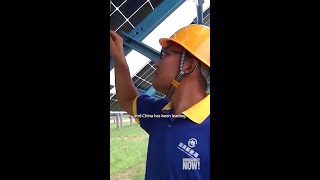
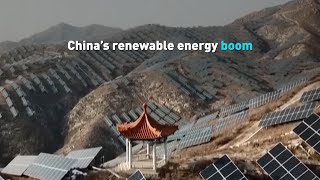
Recent reports indicate that China's sales of electric vehicles and solar panels have surged, particularly since the start of the Iran war. According to industry sources, this trend is fueled by an increased global demand for sustainable energy solutions amid rising oil prices and supply chain disruptions.
Data from the China Association of Automobile Manufacturers shows a year-on-year increase in EV sales by over 50% in the first quarter of 2023. Similarly, the National Energy Administration has reported a record installation of solar panels, with a 30% increase compared to the previous year.
Deep Analysis
The shift towards renewable energy is not merely a response to immediate energy shortages but a strategic move by China to consolidate its position as a global leader in sustainable technologies. The nation's substantial investment in research and development, coupled with government incentives, has spurred innovation and reduced production costs.
Stakeholder dynamics play a crucial role in this transition. Chinese companies, backed by state support, have been able to achieve economies of scale, enabling them to offer competitively priced products on the international market. This has positioned China as a dominant exporter of renewable technologies, challenging the traditional energy hierarchy.
Impact/Outlook
The implications of China's renewable surge are far-reaching. In the short term, increased adoption of Chinese renewable technologies could alleviate some of the pressures from the current energy crisis. However, there are concerns about market dependencies and geopolitical leverage.
Long-term projections suggest a continued rise in global demand for renewable energy solutions, driven by both economic and environmental imperatives. This trend is expected to catalyze further advancements in technology and infrastructure, potentially leading to a more decentralized and resilient global energy system.
Practical Implications
For policymakers and businesses, the current landscape presents both challenges and opportunities. Governments may need to re-evaluate their energy policies to incorporate more robust support for renewables, while businesses can explore partnerships and investments in emerging markets.
Consumers, on the other hand, can benefit from increased access to affordable renewable energy solutions, contributing to a more sustainable future. Awareness and education about the benefits of renewables will be crucial in driving this transition.
Key Takeaways
- China's strategic focus on renewables is reshaping global energy markets.
- Rising EV and solar panel sales highlight the shift towards sustainable technologies.
- Economic and geopolitical factors are driving the renewable energy surge.
- Long-term outlook suggests continued growth in global demand for renewables.
- Stakeholders must adapt policies and strategies to leverage emerging opportunities.
- Increased consumer access to renewable technologies supports sustainability goals.


![Iran war created "biggest [energy] crisis since World War II"](https://img.youtube.com/vi/hJTq7jAmbgs/mqdefault.jpg)