El Niño's Imminent Return: Global Weather Impacts
El Niño's return is poised to dramatically alter global weather patterns. As we brace for its impacts, understanding its mechanisms and consequences becomes pivotal. This article delves into the science, potential effects, and what it means for communities worldwide.

Introduction: El Niño's Imminent Return and Its Global Significance
El Niño, the climate phenomenon known for its global weather disruptions, is on the horizon once again, potentially heralding a period of extreme weather and rising temperatures. Understanding its implications is crucial for preparing and adapting to its wide-reaching effects.
Background/Context: The Historical Patterns of El Niño
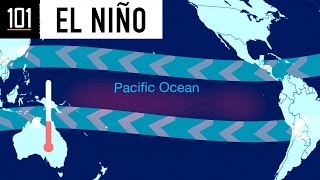
El Niño is part of the El Niño-Southern Oscillation (ENSO) cycle, characterized by warm ocean temperatures in the central and eastern Pacific. Historically, its occurrences have been associated with significant weather anomalies, such as the 1997-1998 El Niño, which caused widespread droughts and flooding.
According to the National Oceanic and Atmospheric Administration (NOAA), El Niño events typically occur every two to seven years, with varying intensity and duration. These events have historically impacted agriculture, water resources, and economies worldwide.
Current Situation: Indicators of an Approaching El Niño
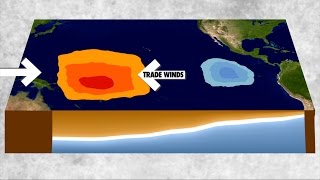
Recent data from NOAA suggests that ocean temperatures are rising, and atmospheric conditions are aligning in a manner consistent with the early stages of El Niño. Satellite imagery indicates warmer than average sea surface temperatures in the Pacific, a key precursor to the phenomenon.
Experts from the Climate Prediction Center highlight the increasing likelihood of El Niño developing within the coming months, with potential effects being closely monitored by meteorologists and climate scientists globally.
Deep Analysis: The Mechanisms and Dynamics of El Niño
El Niño's impact stems from its ability to alter atmospheric circulation patterns. The warming of Pacific waters affects trade winds, which in turn influence global weather systems. This can lead to increased rainfall in some regions and severe droughts in others, disrupting agricultural production and water supply.
Scientific models demonstrate that the intensity of El Niño events can be linked to the extent of sea surface temperature anomalies. The stronger the anomaly, the more pronounced the weather impacts, making accurate predictions vital for effective disaster preparedness and mitigation strategies.
Impact/Outlook: Potential Global Consequences of El Niño
In the short term, regions such as Southeast Asia and Australia may experience below-average rainfall, increasing the risk of drought and wildfires. Conversely, the western coasts of the Americas might see heightened rainfall, leading to floods and landslides.
Long-term projections suggest that repeated El Niño events could exacerbate global warming trends, further complicating efforts to combat climate change. This underscores the necessity for international cooperation and proactive climate policies.
Practical Implications: Preparing for El Niño's Global Impact
Communities and governments must prioritize climate resilience by investing in infrastructure that can withstand extreme weather conditions. This includes enhancing early warning systems, developing water conservation techniques, and implementing sustainable agricultural practices.
Individuals can contribute by staying informed about weather forecasts, preparing emergency kits, and adopting water-saving habits. Education and awareness campaigns are essential to ensure public readiness and response.
Key Takeaways
- El Niño is a recurring climate phenomenon with significant global weather impacts.
- Current indicators suggest an imminent El Niño, with potential for extreme weather events.
- Understanding the mechanisms of El Niño is crucial for effective preparedness and adaptation.
- Short-term impacts include variable rainfall patterns, affecting agriculture and water resources.
- Long-term effects may accelerate global warming trends, necessitating robust climate policies.
- Proactive measures at community and individual levels are vital for mitigating El Niño's effects.