Aurora Alert: Geomagnetic Storm Sparks Northern Lights
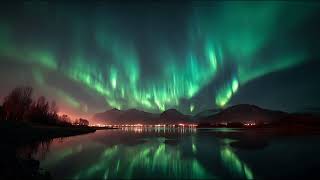
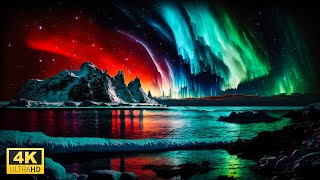
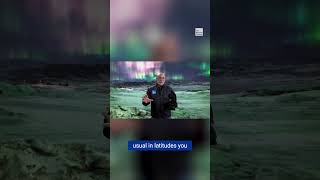
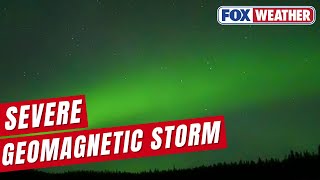
The northern lights, a dazzling natural phenomenon, are set to illuminate skies as far south as Illinois due to a powerful geomagnetic storm. This article explores the science behind auroras, their cultural significance, and how to witness this rare event.
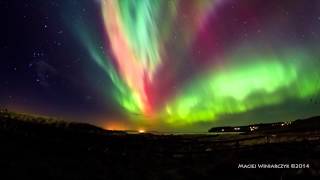
Introduction: Aurora Alert and Its Importance
A powerful geomagnetic storm is currently underway, offering a rare opportunity for those in the northern hemisphere to witness the mesmerizing aurora borealis, or northern lights, as far south as Illinois. This phenomenon, while visually stunning, also provides valuable insights into solar activity and space weather.
Background/Context: Understanding Auroras
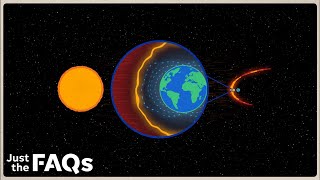
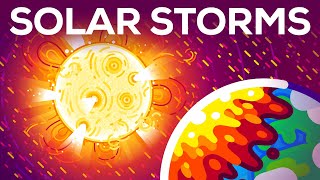
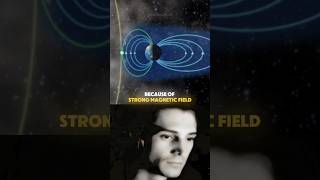
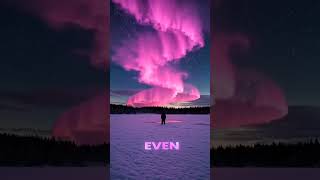
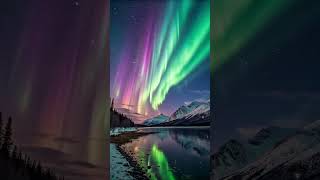
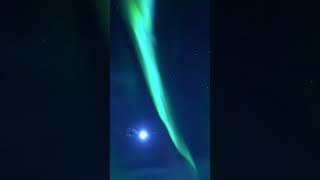
Auroras are natural light displays predominantly seen in high-latitude regions around the Arctic and Antarctic. They occur when charged particles from the sun collide with Earth's magnetosphere, causing ionization and excitation of atmospheric constituents, which then emit light of varying color and complexity. The most common colors are green and red, caused by oxygen, and blue or purple from nitrogen.
The study of auroras dates back to ancient times, with various cultures attributing diverse mythological explanations to the lights. Scientifically, auroras are linked to the sun's activity cycle, where increased solar wind and magnetic storms enhance the probability and intensity of auroras.
Current Situation: The Geomagnetic Storm
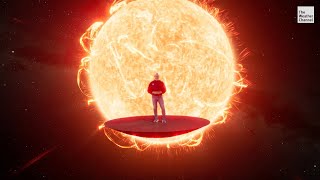
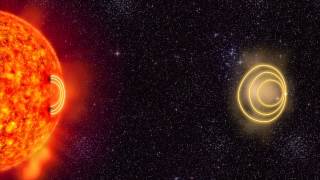
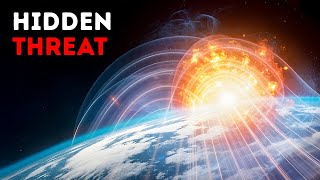
As reported by space weather monitoring organizations, a significant geomagnetic storm is currently active, driven by a coronal mass ejection (CME) from the sun. This storm has elevated the Kp index, a measure of geomagnetic activity, to levels that make auroras visible at lower latitudes than usual.
According to data from the National Oceanic and Atmospheric Administration (NOAA), the current storm is expected to peak tonight, with optimal viewing conditions predicted for regions with clear skies and low light pollution. The phenomenon is attracting significant attention from both amateur and professional astronomers.
Deep Analysis: The Science Behind Geomagnetic Storms
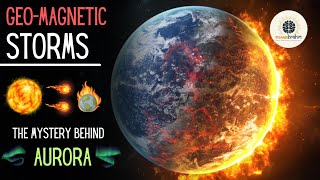
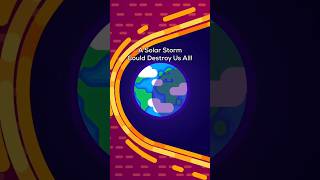
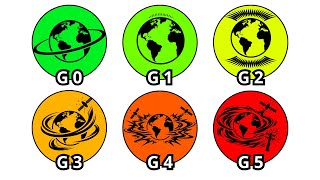
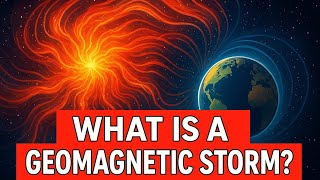
Geomagnetic storms are caused by disturbances in Earth's magnetosphere due to solar wind and CME interactions. These interactions can compress the magnetosphere, allowing solar particles to penetrate deeper into Earth's atmosphere. The intensity of the storm is categorized by the Kp index, which ranges from 0 (calm) to 9 (severe).
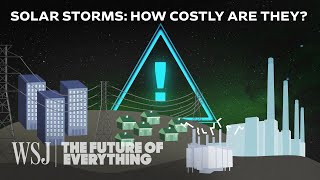
The current storm, rated at a Kp level of 7, is considered strong but not extreme. It provides a unique opportunity to study the effects of solar activity on Earth's magnetic field and atmosphere, offering insights into space weather forecasting and potential impacts on satellite communications and power grids.
Impact/Outlook: Short-term and Long-term Effects
In the short term, the geomagnetic storm is expected to produce vivid auroras visible across a wider geographic range. This event highlights the need for improved space weather forecasting to mitigate potential disruptions to technological systems, such as GPS and radio communications.
In the long term, understanding auroras and geomagnetic storms can lead to better predictive models for solar activity. This knowledge is crucial for preparing for extreme solar events that could have significant impacts on global infrastructure.
Practical Implications: How to Experience the Northern Lights
For those in areas where the auroras are visible, optimal viewing conditions include finding a location away from city lights, with a clear view of the northern horizon. The best time to observe is typically around midnight when the skies are darkest.
Photography enthusiasts can capture the auroras by using long exposure settings on their cameras. It's advisable to check local weather forecasts and space weather updates to ensure the best viewing experience.
Key Takeaways
- The aurora borealis is visible further south than usual due to a strong geomagnetic storm.
- Auroras result from solar particles interacting with Earth's magnetic field.
- The current storm is driven by a coronal mass ejection from the sun.
- Space weather forecasting is essential for mitigating potential disruptions.
- Witnessing auroras requires clear, dark skies and minimal light pollution.
- Understanding auroras aids in preparing for extreme solar events.







![Fetty Wap - Northern Lights [Official Visualizer]](https://img.youtube.com/vi/4tQRP6Uw9UQ/mqdefault.jpg)