Yosemite's Entry Challenges: A Deep Dive
Yosemite National Park, a crown jewel of America's natural heritage, is facing significant entry challenges. Learn about the historical context, current issues, and solutions being discussed to preserve the visitor experience.

Introduction
Yosemite National Park is experiencing significant challenges at its gates, affecting visitor access and satisfaction. Understanding the roots and potential solutions is crucial for preserving this iconic destination.
Background/Context
Yosemite National Park, established in 1890, is one of the most visited national parks in the United States, attracting millions of visitors annually. Its popularity has grown exponentially, especially with the rise of social media showcasing its breathtaking landscapes. Historically, the park has faced seasonal congestion, but recent years have seen these issues become more acute.
According to the National Park Service, visitor numbers have surged, putting immense pressure on infrastructure originally designed for a fraction of the current load. As reported by the Sierra Club, the park's entry points have become choke points, causing long wait times and diminishing the visitor experience.
Current Situation
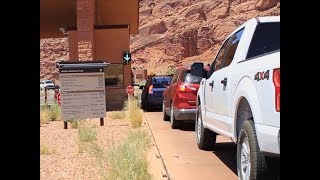
Currently, visitors to Yosemite are reporting extended delays at park entrances, with some waiting over two hours on peak days, according to visitor feedback compiled by the park's management. This congestion is exacerbated by limited staffing and budget constraints that hinder the park's ability to manage traffic efficiently.
Recent data from the National Park Service indicates that on typical weekends, the park operates at over 90% capacity, leading to overcrowded trails and parking lots. This situation is further complicated by increased vehicle emissions, which impact the park's air quality.
Deep Analysis
The underlying causes of Yosemite's entry challenges are multifaceted. One significant factor is the park's outdated infrastructure, which struggles to accommodate the modern influx of tourists. Another issue is the lack of an effective reservation system that could help manage the flow of visitors more evenly throughout the year.
Stakeholders, including local businesses, environmental groups, and the National Park Service, are engaged in ongoing discussions to address these challenges. The power dynamics in these discussions often tilt towards economic interests, given the substantial revenue generated by tourism.
Impact/Outlook
In the short term, the park is expected to continue facing entry challenges, particularly during peak seasons. However, long-term solutions are being explored, such as implementing a more robust reservation system and improving transportation infrastructure within the park.
The potential environmental impact of unchecked visitor numbers is significant. Without intervention, the park's ecosystems could suffer, affecting biodiversity and visitor enjoyment. Conversely, successful management strategies could serve as a model for other national parks facing similar issues.
Practical Implications
Visitors planning a trip to Yosemite should consider going during off-peak times to avoid congestion. Additionally, familiarizing themselves with alternative entry points and transportation options, such as shuttle services, can enhance their experience.
For those involved in park management or policy, there is an opportunity to advocate for sustainable tourism practices that prioritize environmental preservation alongside visitor satisfaction.
Key Takeaways
- Yosemite's entry challenges are rooted in increased visitor numbers and outdated infrastructure.
- Current congestion affects both visitor satisfaction and environmental health.
- Ongoing discussions aim to balance economic, environmental, and visitor interests.
- Short-term solutions may include better reservation systems and infrastructure upgrades.
- Visitors should plan their trips strategically to minimize wait times and impact.
- Long-term success could provide a blueprint for managing other national parks.