Oahu Flash Floods: Evacuation, Impact, and Outlook
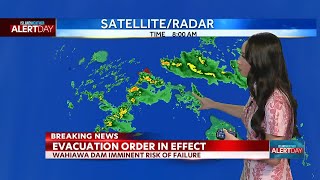
Oahu is experiencing severe flash floods, leading to evacuation orders in North Shore areas. This comprehensive analysis explores historical flooding patterns, current evacuation efforts, and the broader environmental implications.
Introduction
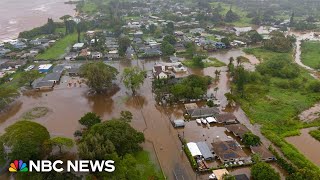
Oahu is currently facing severe flash floods, prompting evacuation orders in North Shore regions. Understanding the broader implications of these events is crucial for future preparedness.
Background/Context
Historically, Oahu has been prone to flash floods due to its unique geographical and climatic conditions. The island's mountainous terrain and tropical weather often result in rapid water accumulation, exacerbating flood risks.
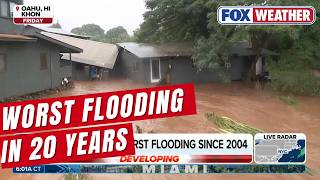
According to the National Weather Service, Oahu has experienced several significant flooding events over the past decades, with notable incidents in 2004 and 2018 causing extensive damage to infrastructure and ecosystems.
These historical patterns underscore the need for robust flood management strategies and climate resilience planning to mitigate future risks.
Current Situation
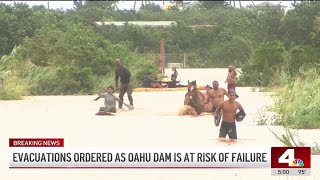
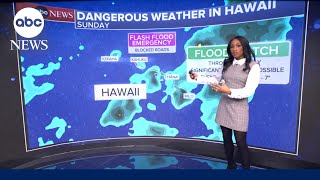
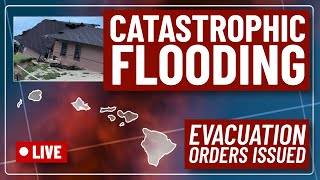
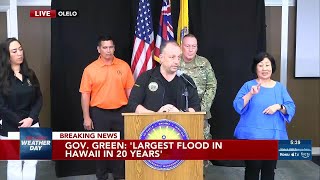
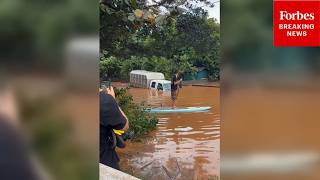
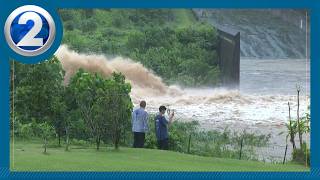
As of now, the North Shore areas remain under evacuation orders due to ongoing flash flood warnings. Local authorities are actively coordinating rescue and relief efforts, ensuring the safety of affected residents.
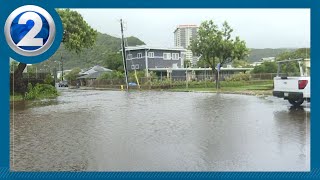
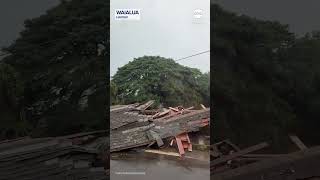
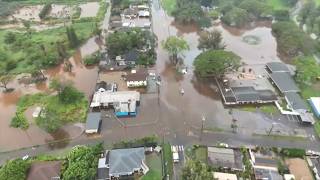
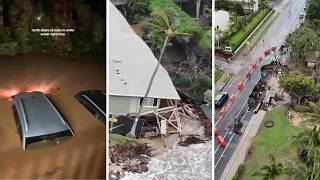
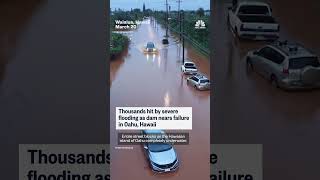
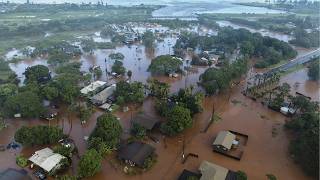
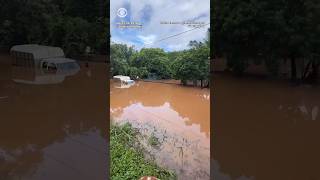
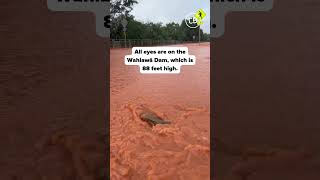
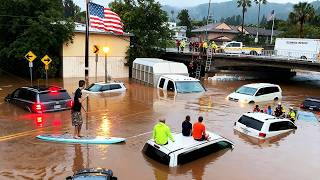
Data from the Honolulu Star-Advertiser indicates that the current flooding has already led to significant disruptions, with roads submerged and several homes damaged. Emergency services are on high alert, prioritizing evacuation and resource distribution.
Community shelters have been set up to accommodate evacuees, with local NGOs providing essential supplies and support to those impacted.
Deep Analysis
The underlying causes of Oahu's flash floods are multifaceted, involving both natural and anthropogenic factors. The island's topography plays a critical role, with steep slopes facilitating rapid runoff during heavy rains.
Climate change is also a significant contributor, with increased rainfall intensity and frequency linked to global warming trends. The Intergovernmental Panel on Climate Change (IPCC) reports that such extreme weather events are likely to become more common, necessitating adaptive measures.
Stakeholders, including government agencies, environmental organizations, and local communities, are engaged in ongoing discussions to enhance flood resilience through infrastructure improvements and sustainable land-use planning.
Impact/Outlook
In the short term, the immediate focus remains on ensuring the safety and well-being of affected residents. Long-term, the outlook involves addressing the root causes of flooding through comprehensive climate adaptation strategies.
Potential measures include upgrading drainage systems, restoring natural wetlands, and implementing community-based disaster risk reduction programs.
Industry experts emphasize the importance of integrating traditional ecological knowledge with modern engineering solutions to build resilient and sustainable communities in Oahu.
Practical Implications
Residents can take proactive steps to enhance personal safety and preparedness during flood events. This includes creating emergency kits, developing family evacuation plans, and staying informed about weather alerts through reliable sources.
Local authorities are advised to invest in public awareness campaigns and community training sessions to foster a culture of resilience and self-reliance.
Collaboration between scientists, policymakers, and the public is essential to effectively address the challenges posed by flash floods and ensure a more secure future for Oahu.
Key Takeaways
- Oahu's geographical and climatic conditions make it prone to flash floods.
- Current evacuation efforts are focused on ensuring resident safety amid ongoing warnings.
- Climate change is a significant factor in increasing flood frequency and intensity.
- Long-term resilience requires infrastructure upgrades and sustainable planning.
- Community engagement and education are vital for effective flood preparedness.
- Collaborative efforts between stakeholders are crucial for future risk mitigation.