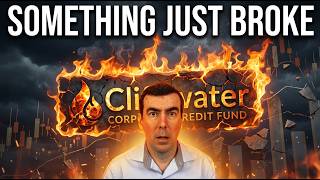
Private Credit Defaults: Alarming Trends & Impacts
Private credit defaults are on the rise, potentially doubling in the coming years. This article delves into the causes behind this trend, the impact on global markets, and strategies for investors to mitigate risks.

Introduction
Private credit default rates are expected to surge, with predictions indicating a potential doubling in the near future. Understanding the dynamics behind this trend is crucial for investors and market participants.
Background/Context
Private credit markets have expanded significantly over the past decade, driven by low interest rates and a search for yield. Historically, private credit has been seen as an attractive alternative to traditional bank financing, offering higher returns for investors willing to accept higher risks.
According to industry reports, the private credit market has grown from approximately $400 billion in 2010 to over $1 trillion in 2023. This growth has been fueled by institutional investors seeking diversification and higher yields in a low-interest-rate environment.
However, with the rapid expansion comes increased risk. As more companies turn to private credit to fund operations, the potential for defaults rises, especially during economic downturns.
Current Situation
Data from Partners Group and other financial institutions indicate a worrying trend in private credit default rates. The current default rate hovers around 2.5%, but experts warn this could exceed 5% in the coming years.
Several factors contribute to this rise. Recent geopolitical tensions, such as those affecting global supply chains, have caused disruptions that impact companies' ability to service debt. Additionally, rising interest rates and inflationary pressures further strain borrowers, increasing the likelihood of defaults.
The Financial Times reports that the chair of a leading private capital group has sounded the alarm on these increasing default rates, highlighting the need for investors to be vigilant.
Deep Analysis
The underlying causes of rising private credit defaults are multifaceted. Economic slowdowns, such as those seen during the COVID-19 pandemic, have left many companies with reduced revenues and increased debt burdens.
Inflation, while a global concern, specifically impacts companies that rely on commodities and raw materials, as costs rise and profit margins shrink. This economic environment places additional strain on companies' ability to meet their financial obligations.
Furthermore, the structural nature of private credit means that many of these loans are less transparent than publicly traded debt, making it difficult for investors to fully assess risk.
Impact/Outlook
The rise in private credit defaults has significant implications for global financial markets. Increased defaults could lead to tighter credit conditions, as lenders become more risk-averse and demand higher yields to compensate for perceived risks.
In the short term, investors may experience increased volatility in their portfolios, as defaults impact the valuations of private credit instruments. Long-term, the market may see a shift towards more stringent underwriting practices to mitigate risk.
According to economic forecasts, the potential doubling of default rates could lead to a reevaluation of risk models and a greater emphasis on due diligence.
Practical Implications
Investors should consider several strategies to manage the risks associated with rising private credit defaults. Diversification remains a key strategy, spreading investments across various sectors and geographies to mitigate exposure to any single risk.
Additionally, increased due diligence is critical. Investors should seek to understand the underlying assets and cash flows supporting private credit investments, ensuring they are sustainable even in adverse economic conditions.
Finally, monitoring macroeconomic indicators and geopolitical developments can provide early warning signs of potential risks, allowing investors to adjust their portfolios proactively.
Key Takeaways
- Private credit default rates are projected to potentially double, exceeding 5%.
- Economic slowdowns, inflation, and geopolitical tensions are key factors driving this trend.
- The rise in defaults could lead to tighter credit conditions and increased market volatility.
- Diversification, due diligence, and monitoring of macroeconomic indicators are essential strategies for investors.
- Understanding the structural nature of private credit is crucial for effective risk management.
- Investors should be prepared for shifts in risk models and underwriting practices.