US Budget Airlines Seek $2.5 Billion Aid
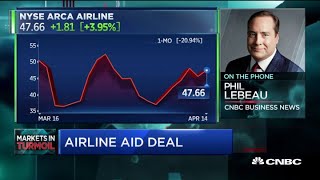
US budget airlines are requesting $2.5 billion in government assistance to stay afloat amid financial struggles. This article explores the reasons behind this plea, the potential impacts on the aviation industry, and what it means for travelers and the economy.

Introduction
US budget airlines are currently requesting $2.5 billion in government assistance to remain operational during challenging times, highlighting the precarious state of low-cost carriers in the aviation industry.
Background/Context
The airline industry has faced numerous challenges over the years, from fluctuating fuel prices to economic downturns. However, the COVID-19 pandemic exacerbated these challenges, leading to significant financial losses and operational disruptions. Budget airlines, known for their low-cost, no-frills service, have been particularly hard-hit due to their reliance on high passenger volumes and thin profit margins.
The Evolution of Budget Airlines
Budget airlines emerged in the late 20th century as a response to consumer demand for affordable air travel options. Carriers like Southwest Airlines pioneered the model in the United States, offering lower fares by eliminating traditional amenities. Over the years, this sector grew rapidly, capturing a significant market share as more travelers opted for cost-effective travel.
Impact of External Factors
According to industry reports, external factors such as increasing fuel costs and regulatory changes have historically strained budget airlines. These carriers often operate on tight budgets, making them vulnerable to financial shocks.
Current Situation
The request for $2.5 billion in government aid comes amid ongoing financial instability. Data from the International Air Transport Association (IATA) shows a slow recovery in passenger demand, which remains below pre-pandemic levels. This has led to decreased revenues and operational challenges for budget airlines.
Financial Struggles
Industry sources indicate that budget airlines have been forced to cut costs, reduce routes, and in some cases, lay off staff to manage their financial burdens. This has raised concerns about their ability to maintain service quality and compete with larger carriers.
Government Response
The US government has previously provided financial assistance to the airline industry, including budget carriers. However, the current request for aid is being scrutinized, with debates on whether taxpayer money should support private enterprises.
Deep Analysis
Understanding the underlying causes of the financial plight of budget airlines involves examining several factors, including market dynamics, operational efficiency, and consumer behavior.
Market Dynamics
Budget airlines operate in a highly competitive market where pricing wars are common. This competition, while beneficial for consumers, often squeezes the profit margins of these carriers, leaving them vulnerable to economic shocks.
Operational Efficiency
To remain profitable, budget airlines must operate with high efficiency. This includes optimizing flight schedules, managing maintenance costs, and negotiating favorable terms with suppliers. Any disruption in these areas can significantly impact their financial health.
Consumer Behavior
Changes in consumer preferences, such as increased demand for flexible travel options and enhanced safety measures, have added pressure on budget airlines to adapt their offerings without significantly raising costs.
Impact/Outlook
The request for government aid has sparked discussions about the future of budget airlines and the broader implications for the aviation industry and economy.
Short-term Scenarios
If granted, the $2.5 billion aid could provide immediate relief, allowing budget airlines to stabilize operations and retain workforce. However, without addressing underlying structural issues, this may only serve as a temporary solution.
Long-term Projections
Experts predict that the survival of budget airlines will depend on their ability to innovate and adapt to changing market conditions. This may involve exploring new revenue streams, enhancing customer experience, and investing in sustainable practices.
Practical Implications
For travelers, the potential impact on airfare prices and route availability is a key concern. Consumers might experience fluctuating ticket costs and reduced service options if budget airlines fail to recover.
Consumer Strategies
Travelers are advised to remain flexible with travel plans, monitor airline policies, and consider travel insurance to mitigate risks associated with potential disruptions in airline services.
Industry Adaptations
Airlines are encouraged to explore partnerships, diversify offerings, and leverage technology to enhance operational efficiency and customer satisfaction.
Key Takeaways
- US budget airlines are seeking $2.5 billion in government aid to address financial challenges.
- The pandemic has exacerbated existing vulnerabilities in the budget airline sector.
- Government assistance may provide short-term relief but does not resolve underlying issues.
- Long-term survival depends on innovation, adaptability, and operational efficiency.
- Travelers may face changes in airfare prices and service availability.
- Stakeholders are exploring strategies to enhance resilience and competitiveness.
- The outcome of the aid request will have significant implications for the aviation industry and economy.