Student Loan Plan Overhaul: What It Means Now
The recent federal court decision to terminate the Biden-era student loan relief plan could impact millions of borrowers nationwide. This article explores the historical context, current implications, and future outlook for student debt in the United States.

Introduction
The recent termination of the Biden-era student loan relief plan by a federal court is a pivotal moment for millions of borrowers nationwide. Understanding the implications of this decision is crucial for students, graduates, and policymakers alike as they navigate the complex landscape of student debt.
Background/Context
The student loan crisis in the United States has been a growing concern for decades. According to the Federal Reserve, student loan debt reached $1.7 trillion in 2021, with millions of Americans grappling with repayment difficulties. The Biden administration introduced a relief plan aimed at alleviating this burden, targeting loan forgiveness and repayment restructuring. However, legal challenges have continuously hindered its implementation.
Historical Roots
The origins of the student loan crisis can be traced back to policy changes in the 1960s and 1970s, which expanded access to higher education through federal loans. While this increased college attendance, it also led to soaring tuition costs and mounting debt. During the 2000s, economic downturns exacerbated the issue, leaving many graduates underemployed and unable to repay their loans.
Current Situation
The federal court's recent decision to terminate the Biden-era student loan plan has left borrowers in a state of uncertainty. According to the Department of Education, this plan aimed to provide $10,000 to $20,000 in loan forgiveness for eligible borrowers. With its termination, millions are questioning their financial futures and repayment strategies.
Immediate Impacts
The immediate impact of this decision is significant. Borrowers who had paused payments in anticipation of relief are now facing the resumption of repayment schedules. This shift is expected to strain household budgets, particularly as inflation continues to affect living costs.
Deep Analysis
The termination of the student loan relief plan highlights the complex interplay of legal, economic, and political factors. Legal experts argue that the plan's termination underscores the judicial branch's influence over executive actions. Economists indicate that without relief, the student debt burden could slow economic growth by limiting consumer spending and entrepreneurship.
Stakeholder Dynamics
Stakeholders, including borrowers, educational institutions, and policymakers, are each affected differently. Borrowers face increased financial pressure, while universities may see changes in enrollment patterns as cost concerns deter potential students. Meanwhile, policymakers are under pressure to develop alternative solutions that can withstand legal scrutiny.
Impact/Outlook
In the short term, borrowers may need to explore alternative repayment plans or refinancing options to manage their debt. Long-term projections suggest that without significant intervention, the student loan crisis will continue to worsen, potentially leading to economic repercussions such as reduced home ownership rates and delayed retirement savings.
Future Scenarios
Several scenarios are being discussed by experts. One potential outcome is the introduction of bipartisan legislation that targets the root causes of student debt, such as tuition inflation and interest rates. Another possibility is the continued use of executive orders to provide temporary relief, though these are likely to face similar legal challenges.
Practical Implications
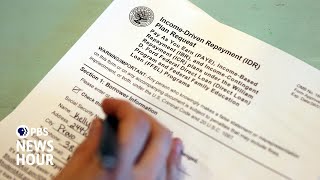
For borrowers, taking proactive steps is essential. Financial advisors recommend creating a comprehensive repayment plan that accounts for potential interest rate changes and considers income-driven repayment options. Staying informed about legislative developments can also provide borrowers with opportunities to advocate for effective policy changes.
Key Takeaways
- The student loan crisis has deep historical roots, influenced by policy changes and economic downturns.
- The termination of the Biden-era relief plan leaves millions of borrowers in financial uncertainty.
- Legal, economic, and political factors play crucial roles in shaping the student debt landscape.
- Short-term impacts include increased financial strain on borrowers amid rising inflation.
- Long-term solutions require bipartisan legislative efforts to address underlying issues.
- Borrowers should explore repayment options and stay informed about policy changes.