U.S.-Iran Conflict: Economic Ripple Effects
As the U.S.-Iran conflict escalates, the global economy faces significant repercussions. This article analyzes the economic impacts, from oil price fluctuations to stock market volatility, providing insights into potential future scenarios.

Introduction: The Economic Significance of the U.S.-Iran Conflict
The ongoing U.S.-Iran conflict is causing substantial economic disruptions worldwide, particularly in oil markets and stock exchanges, highlighting the interconnected nature of global economies.
Background/Context: Historical Tensions and Economic Dependencies
Understanding the current economic impact of the U.S.-Iran conflict requires a historical perspective. The tensions between the U.S. and Iran date back decades, rooted in geopolitical rivalries and ideological differences. These tensions have periodically disrupted global oil supplies, given Iran's significant role in the oil market.
According to the International Energy Agency, Iran possesses the fourth-largest oil reserves globally, making it a critical player in the energy sector. Historically, sanctions and military conflicts involving Iran have led to fluctuations in oil prices, affecting economies worldwide.
Current Situation: Market Reactions and Energy Prices
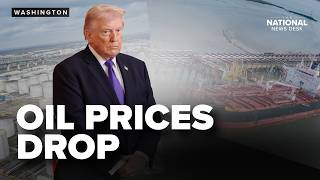
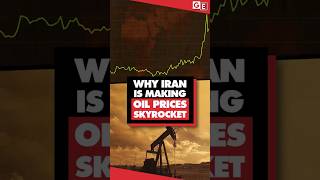
As of now, the conflict is causing immediate fluctuations in oil prices, with recent reports indicating a sharp decline. The Dow Jones index and Nasdaq have seen volatile movements as investors react to uncertainties surrounding the conflict.
Data from the U.S. Energy Information Administration shows that oil prices dropped by nearly 10% following heightened tensions, reflecting market fears of potential supply disruptions. Companies reliant on stable energy prices are particularly affected, with sectors such as transportation and manufacturing feeling the pressure.
Deep Analysis: Economic Interdependencies and Strategic Considerations
The U.S.-Iran conflict underscores the intricate web of economic dependencies that characterize modern globalization. The oil market serves as a primary example of how geopolitical tensions can have cascading effects across various sectors.
Industry experts point out that while immediate impacts are visible in commodity markets, longer-term consequences might include shifts in global trade patterns and realignments of international economic alliances. For instance, countries heavily reliant on Middle Eastern oil may seek alternative energy sources to mitigate risks.
Impact/Outlook: Projecting Future Economic Scenarios
Short-term projections suggest continued volatility in financial markets, driven by evolving geopolitical developments. Economists warn that prolonged tensions could lead to sustained high oil prices, impacting inflation rates globally.
In the long term, analysts predict potential shifts in energy policies as nations prioritize energy security. This could accelerate investments in renewable energy and diversification strategies to reduce dependence on unstable regions.
Practical Implications: Strategies for Businesses and Investors
Businesses and investors should adopt strategic measures to navigate the uncertain economic landscape. Diversification of investment portfolios and enhanced risk management practices are crucial to mitigating exposure to volatile markets.
Companies in energy-intensive industries should consider hedging strategies to stabilize costs. Meanwhile, investors might explore opportunities in sectors less vulnerable to geopolitical shocks, such as technology and consumer goods.
Key Takeaways
- The U.S.-Iran conflict is causing immediate economic disruptions, particularly in oil and stock markets.
- Historical tensions between the U.S. and Iran have long influenced global economic dynamics.
- Current market reactions highlight the interconnectedness of global economies.
- Future economic scenarios depend on geopolitical developments and strategic policy shifts.
- Businesses and investors should adopt risk management and diversification strategies.