IEA Oil Stockpile Release: Impact & Implications
Explore the IEA's unprecedented proposal to release oil stockpiles amidst global economic uncertainties. Understand the immediate effects on oil markets, the geopolitical landscape, and long-term energy strategies.
Introduction
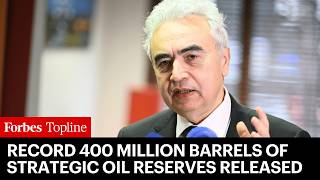
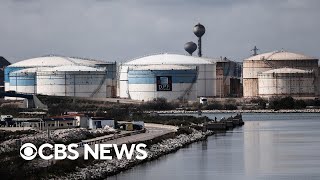
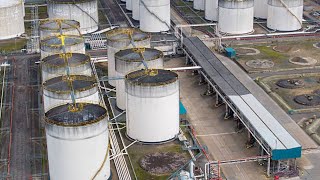
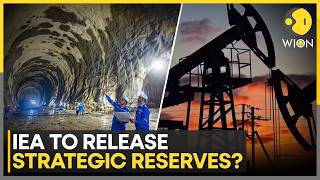
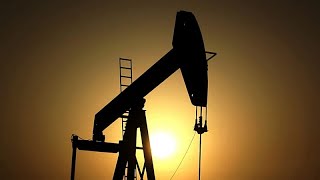
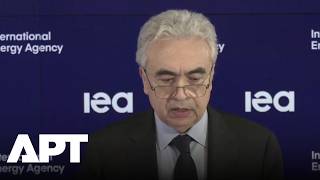
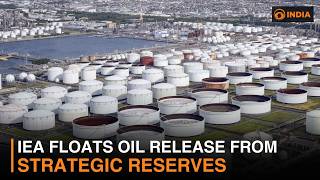
The International Energy Agency (IEA) is proposing its largest-ever release of oil stockpiles, a move that has significant implications for global energy markets and geopolitical relations.
Background/Context
The IEA, established in the wake of the 1973 oil crisis, plays a crucial role in coordinating international energy policy. Historically, its stockpile releases have been reserved for severe supply disruptions.
Previous releases, such as those in 2011 during the Libyan civil war, illustrate the organization's strategic approach to stabilizing markets.
Current Situation
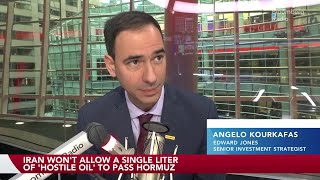
According to data from Bloomberg, the proposed release comes as oil prices are undergoing volatility due to geopolitical tensions and economic slowdowns. Industry sources indicate that this move is aimed at counteracting supply constraints exacerbated by recent conflicts.
Market analysts suggest that the immediate impact may be a temporary reduction in oil prices, but the long-term effects remain uncertain.
Deep Analysis
The underlying causes of this decision are multifaceted. On one hand, the ongoing geopolitical tensions in key oil-producing regions are creating supply uncertainties. On the other hand, global economic trends, such as the push towards renewable energy and decreasing oil demand, are influencing market dynamics.
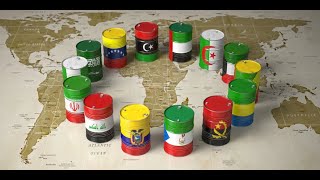
Stakeholders, including major oil producers and consumer nations, have varied interests. For instance, OPEC nations may view this release as a challenge to their market influence, while consumer countries might welcome the relief from high energy prices.
Impact/Outlook
In the short term, this release is expected to stabilize oil prices, providing relief to economies grappling with energy costs. However, the long-term outlook depends on geopolitical developments and the global energy transition.
Experts from the Energy Information Administration (EIA) suggest that while the release may ease current pressures, it underscores the need for sustainable energy policies to mitigate future supply shocks.
Practical Implications
For businesses, this period offers an opportunity to reassess energy strategies and explore diversification into renewable sources. Policymakers should consider reinforcing strategic reserves and investing in energy efficiency initiatives.
Consumers, meanwhile, might experience temporary relief in fuel prices, but should prepare for potential fluctuations as market conditions evolve.
Key Takeaways
- The IEA's proposed oil stockpile release is its largest ever, aimed at stabilizing volatile markets.
- Geopolitical tensions and economic trends are major factors influencing this decision.
- Immediate effects include potential short-term stabilization of oil prices.
- Long-term impacts depend on geopolitical developments and energy policy shifts.
- Businesses and policymakers are advised to explore sustainable energy solutions.
- Consumers should remain vigilant about potential future price fluctuations.