Oil Shock: How Iran's Conflict Impacts Global Economy
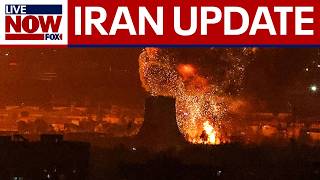
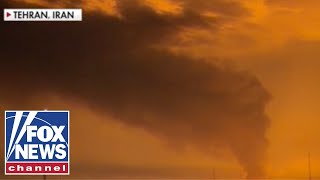
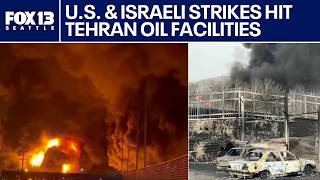
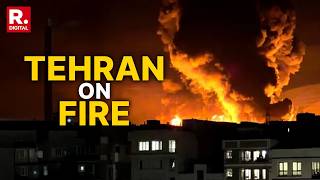
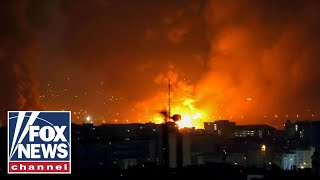
The escalation of conflict involving Iran has led to unprecedented disruptions in the global oil market. This article explores the historical context, current challenges, and potential future scenarios, offering actionable insights for stakeholders in the energy sector and beyond.
Introduction
The escalating conflict involving Iran is leading to significant disruptions in the global oil market, raising concerns about the broader economic impact. This matters now as nations and industries dependent on stable energy prices face uncertainty.
Background/Context
The global reliance on Middle Eastern oil has deep roots dating back to the early 20th century when large reserves were discovered in the region. Over the decades, geopolitical tensions have periodically threatened oil supply, leading to global economic fluctuations. The Iran-Iraq War in the 1980s and the Gulf Wars in the 1990s are examples where regional conflicts had far-reaching effects on oil prices.
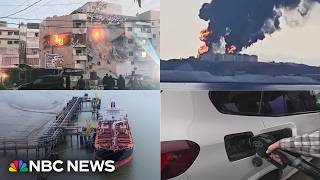
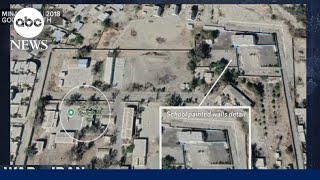
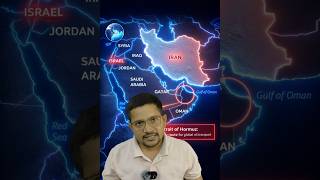
Kharg Island, often referred to as Iran's 'oil lifeline,' plays a pivotal role in the country's oil export infrastructure. It serves as a major terminal for the loading of crude oil, making it a strategic asset in both economic and geopolitical terms.
Current Situation
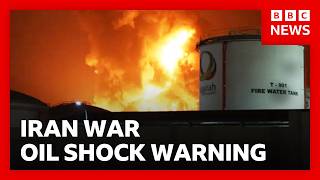
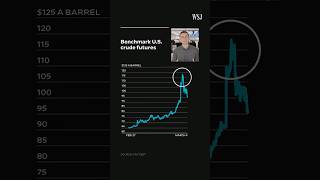
According to industry sources, the ongoing conflict has not yet resulted in the seizure of Kharg Island, which remains operational. However, attacks on shipping lanes and regional instability are causing sharp fluctuations in oil prices. Data from the International Energy Agency indicates that oil prices have swung dramatically, with Brent crude experiencing a 15% increase over the past month.
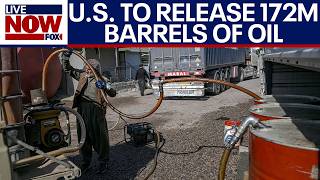
Global supply chains are feeling the strain as countries scramble to secure alternative energy sources. The United States and European nations are among those seeking to mitigate the impact by releasing oil reserves and exploring new trade partnerships.
Deep Analysis
The current instability is driven by a complex interplay of political, economic, and military factors. Iran's strategic maneuvers aim to leverage its geopolitical position while countering international sanctions. The underlying power structure in the region is characterized by a delicate balance of alliances and rivalries that influence oil production and distribution.
Expert analysis from the Council on Foreign Relations suggests that the conflict could potentially escalate further, involving more regional players and exacerbating global energy supply issues. The role of non-state actors and proxy conflicts adds an additional layer of complexity.
Impact/Outlook
In the short term, oil prices are likely to remain volatile, with potential spikes depending on the trajectory of the conflict. Long-term scenarios suggest a possible shift in global energy strategies, with increased investment in renewable resources and diversification of energy portfolios.
The International Monetary Fund projects that prolonged instability could lead to a slowdown in global economic growth, affecting sectors from manufacturing to transportation.
Practical Implications
For businesses and policymakers, it is crucial to implement risk management strategies to cushion against oil price volatility. Diversifying energy sources and investing in technological innovation can enhance resilience. Consumers should be aware of potential price increases in goods and services linked to transportation and energy costs.
Industry stakeholders are advised to monitor developments closely and engage in scenario planning to prepare for various outcomes.
Key Takeaways
- Iran's conflict is causing significant disruptions in global oil markets.
- Kharg Island remains a critical, yet currently operational, component of Iran's oil infrastructure.
- Short-term oil price volatility is expected, with potential long-term shifts in energy strategies.
- Stakeholders should focus on diversification and risk management to mitigate impacts.
- Global economic growth could slow if instability persists.
- Investment in renewables and technological innovation is increasingly vital.
- Monitoring geopolitical developments is crucial for future planning.