Ford Recalls: Impact and Future Outlook
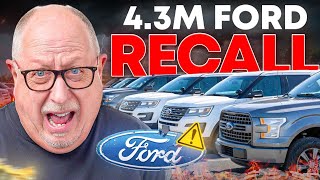
Ford's recent recall of over 83,000 vehicles due to headlight and engine valve issues highlights the ongoing challenges automakers face in maintaining safety and customer trust. This comprehensive analysis explores the broader implications for the automotive industry, consumer safety, and future regulatory landscapes.

Introduction
The recent recall of over 83,000 Ford vehicles due to headlight and engine valve issues underscores significant challenges in the automotive sector, raising questions about safety standards and regulatory compliance.
Background/Context
Vehicle recalls are a critical component of the automotive industry's commitment to safety and quality. Historically, automakers have faced recalls for various reasons, from mechanical failures to software glitches. Ford, a major player in the industry, has a history of navigating these challenges.
According to the National Highway Traffic Safety Administration (NHTSA), recalls are often initiated after safety concerns are identified through consumer complaints, internal audits, or regulatory investigations. The current recall adds to this historical context, highlighting persistent issues in automotive manufacturing and quality control.
The Evolution of Vehicle Recalls
Recalls have evolved significantly over the decades, with the introduction of more sophisticated technologies in vehicles. The complexity of modern cars, often described as 'computers on wheels,' means that issues can arise from both hardware and software components.
Current Situation
As of now, Ford's recall involves vehicles with potential headlight malfunctions and defective engine valves, which could pose safety risks. Industry sources indicate that these issues affect multiple models, emphasizing the widespread nature of the problem.
Data from the NHTSA shows that the affected vehicles span different production years, suggesting that the underlying issues may have persisted undetected for some time. This situation has prompted Ford to take immediate remedial actions, including notifying vehicle owners and dealers.
Stakeholder Reactions
The recall has elicited varied responses from stakeholders. Consumers express concerns over safety and reliability, while industry analysts focus on the potential financial impact on Ford. Regulatory bodies are closely monitoring the situation to ensure compliance with safety standards.
Deep Analysis
The root causes of the current recall can be traced back to manufacturing processes and quality assurance protocols. Experts suggest that supply chain complexities and cost-cutting measures may have contributed to the oversight.
According to industry analysts, the automotive supply chain is intricate, involving multiple tiers of suppliers. Any lapse in quality control at any stage can lead to significant downstream issues. In Ford's case, the integration of components from various suppliers may have amplified the risk of defects.
Regulatory and Market Dynamics
The recall also highlights the dynamic interplay between automakers and regulatory bodies. In recent years, there has been a push for more stringent regulations to ensure consumer safety, which has increased the scrutiny on manufacturers.
The market is also responding to these developments, with investor sentiment towards Ford being closely watched. The company's ability to manage the recall effectively will be crucial in maintaining its market position.
Impact/Outlook
In the short term, the recall is expected to affect Ford's financial performance, with potential costs related to repairs, legal liabilities, and reputational damage. However, the long-term outlook depends on how Ford addresses the underlying issues and strengthens its quality assurance processes.
Industry experts predict that this recall could lead to broader changes in regulatory frameworks, with a focus on enhancing transparency and accountability in the automotive sector. As automakers increasingly rely on technology, the emphasis on cybersecurity and software integrity will also grow.
Future Scenarios
Several scenarios could unfold in the aftermath of the recall. Ford may choose to invest in new technologies and processes to prevent future issues. Alternatively, industry-wide reforms may be initiated to standardize safety protocols across manufacturers.
Practical Implications
For consumers, this recall is a reminder of the importance of staying informed about vehicle safety and participating in recall programs. Vehicle owners should regularly check for recall notices and ensure timely maintenance of their vehicles.
For industry players, the recall underscores the need to prioritize quality control and collaborate with regulators to enhance safety standards. Investing in research and development to improve component reliability can also mitigate future risks.
Steps for Automakers
- Enhance internal quality assurance protocols to detect defects early.
- Strengthen supplier relationships to ensure compliance with safety standards.
- Engage with regulators proactively to align on safety expectations.
Key Takeaways
- Ford's recall of over 83,000 vehicles highlights ongoing safety challenges.
- Historical context shows recalls are integral to maintaining automotive safety.
- Current recall affects multiple models, indicating widespread concerns.
- Root causes include supply chain complexities and quality control lapses.
- Short-term impacts involve financial and reputational considerations.
- Long-term outlook depends on regulatory changes and industry reforms.
- Consumers and industry players must prioritize safety and compliance.