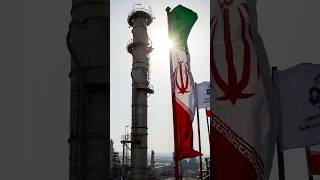
Oil Prices Surge: Economic Impact and Future Outlook
Oil prices have surged following geopolitical shifts in Iran, impacting global markets. This comprehensive analysis explores the underlying causes, economic implications, and future projections for stakeholders worldwide.
Introduction
Oil prices are currently experiencing a significant surge, driven by geopolitical developments in Iran. This trend is impacting global markets and merits close examination for its potential economic implications.
Background/Context
Oil has long been a cornerstone of the global economy. Historically, price fluctuations have been influenced by geopolitical events, technological advancements, and shifts in global demand. Recent history shows that while the world has pivoted towards renewable energy, oil remains a critical energy source.
Iran, a major player in the oil market, has seen its political landscape shift dramatically with the appointment of Ayatollah Mojtaba Khamenei as the new supreme leader. Previous leaders have navigated sanctions and international pressures with varying strategies, impacting oil exports and prices.
Current Situation
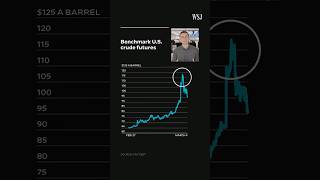
The appointment of Ayatollah Mojtaba Khamenei has coincided with increased tensions in the region, including strikes on oil infrastructure. According to the Associated Press, these developments have contributed to a surge in oil prices, reflecting market anxieties over supply disruptions.
Data from the International Energy Agency indicates that while global reliance on oil has decreased, the market remains sensitive to supply chain disruptions. The combination of geopolitical instability and infrastructural threats in key regions like the Middle East continues to drive volatility.
Deep Analysis
Several underlying factors are contributing to the current price surge. The geopolitical climate in Iran is one of heightened tension, with potential implications for global oil supply chains. Stakeholders, including major oil companies and international investors, are closely monitoring the situation.
Market dynamics are also shaped by OPEC's production strategies and the United States' energy policies. The complex interplay between these entities illustrates the delicate balance of power and influence in the global oil market.
Impact/Outlook
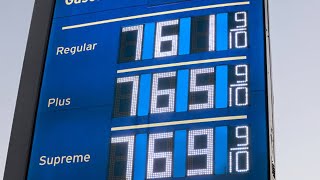
In the short term, elevated oil prices are expected to result in increased fuel costs and potential inflationary pressures. The World Bank warns that higher energy prices could slow economic recovery post-pandemic.
Long-term scenarios depend on geopolitical developments and technological advances in alternative energy. A sustained shift towards renewables could mitigate the impact of oil price volatility, but the transition is gradual and fraught with challenges.
Practical Implications
For businesses, this situation underscores the importance of risk management strategies to hedge against price fluctuations. Consumers may consider energy efficiency measures to offset increased costs.
Policymakers are tasked with balancing energy security and environmental sustainability, requiring a nuanced approach to energy policy and international relations.
Key Takeaways
- Oil prices are surging due to geopolitical tensions in Iran.
- The global economy remains sensitive to oil supply disruptions.
- Short-term impacts include increased fuel costs and inflationary pressures.
- Long-term outlooks depend on geopolitical stability and energy transitions.
- Businesses and consumers should adopt strategies to mitigate price impacts.
- Policymakers face the challenge of balancing energy security with sustainability.