Iran War Disrupts Oil Supply: Global Economic Impact
The escalating conflict in Iran is causing significant disruptions in global oil supply chains, pushing crude prices beyond $110 a barrel. This article explores the current situation, its historical context, and the profound implications for the global economy.

Introduction: Escalating Tensions and Oil Supply Disruptions
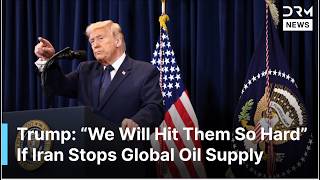
The ongoing conflict in Iran is drastically affecting global oil supply chains, with prices surging past $110 a barrel. The situation is critical as it impacts not only energy markets but also the broader global economy.
Background/Context: Historical Tensions in the Middle East
The Middle East has long been a region of geopolitical tension, rooted in historical conflicts and strategic interests. Iran, as a major oil producer, has often been at the center of these tensions. The recent escalation is reminiscent of past conflicts that disrupted oil supplies, such as the Gulf War in the early 1990s.
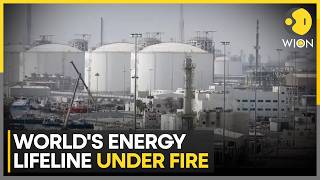
The strategic Strait of Hormuz, through which a significant portion of the world's oil passes, has been a flashpoint. Previous blockades and conflicts in this area have historically led to spikes in oil prices, affecting global markets.
Current Situation: Data-Driven Analysis of Oil Market Disruptions
As of now, the conflict in Iran has led to a significant reduction in oil tanker traffic through the Strait of Hormuz. According to industry sources, this has reduced global oil supply by approximately 20%, contributing to a rise in crude prices to over $110 a barrel.
Reports from financial institutions indicate that stock markets worldwide are reacting negatively. The Nikkei 225 index in Japan plunged more than 5%, and South Korea's Kospi fell by over 6%. These market reactions reflect investor fears about prolonged supply disruptions.
Deep Analysis: Underlying Causes and Stakeholder Dynamics
The conflict's roots lie in both regional power struggles and international geopolitics. The appointment of Mojtaba Khamenei as Iran's new supreme leader has intensified internal and external tensions, with implications for global diplomatic relations.
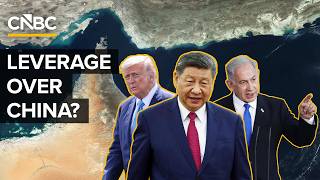
Stakeholders, including major oil-importing countries like China and India, are navigating complex diplomatic channels to secure energy supplies. Meanwhile, OPEC's response remains critical, as the organization has the potential to mitigate supply shortages through production adjustments.
Impact/Outlook: Economic Consequences and Future Projections
The short-term economic impacts are evident in the volatility of global stock markets and the increase in oil prices. Energy-dependent industries are facing higher operational costs, which may lead to inflationary pressures worldwide.
In the long-term, sustained conflict could lead to a restructuring of global oil supply chains. Countries may seek to diversify their energy sources, accelerating the transition to renewable energy. However, this transition is complex and requires substantial investment and time.
Practical Implications: Strategies for Businesses and Policymakers
Businesses, particularly those in energy-intensive sectors, need to implement risk management strategies to mitigate the impact of volatile energy prices. Diversifying supply chains and investing in energy efficiency can provide resilience against future shocks.
Policymakers should focus on diplomatic efforts to de-escalate tensions in the Middle East. Additionally, policies that support renewable energy adoption can reduce dependency on volatile oil markets.
Key Takeaways
- The conflict in Iran is significantly disrupting global oil supply, pushing prices over $110 a barrel.
- Historical conflicts in the Middle East have similarly impacted global energy markets.
- Current disruptions are affecting global stock markets, with significant drops in indices like the Nikkei 225.
- Stakeholders must navigate complex geopolitical dynamics to ensure energy security.
- Long-term impacts may include a shift towards renewable energy sources.
- Businesses should adopt risk management strategies to mitigate energy price volatility.
- Policymakers have a crucial role in de-escalating regional tensions and promoting energy diversification.