China Inflation Surge: What It Means Now
China's consumer inflation has hit a three-year high, leading to significant economic implications. Understanding the roots and potential outcomes of this surge is crucial for businesses and policymakers globally.
Introduction
China's consumer inflation has reached its highest level in over three years, raising concerns about economic stability and the global implications of such a trend.
Background/Context
Historically, China's economic landscape has been characterized by rapid industrialization and urbanization, which has influenced its inflation patterns. In recent years, the country has grappled with balancing growth with inflationary pressures, often resorting to monetary policy adjustments.
According to the National Bureau of Statistics, China's inflation is not a new phenomenon. Past instances, such as the inflation surge during the early 2000s, were driven by similar factors like rising commodity prices and increasing domestic demand. This historical context provides a framework for understanding the current situation.
Current Situation
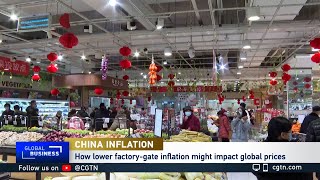
As of the latest reports, China's consumer inflation rate has jumped significantly, attributed largely to heightened consumer spending during an extended holiday period. This spike is compounded by easing producer deflation, according to statistics from China's central bank.
Industry sources indicate that the combination of increased demand for goods and services, alongside supply chain disruptions, has exacerbated inflationary pressures. For instance, the price of essential goods such as food and energy has seen marked increases, putting additional strain on consumers.
Deep Analysis
The underlying causes of this inflation surge are multifaceted. A key driver is the sustained increase in domestic consumption, driven by a growing middle class with greater disposable income. Moreover, government stimulus measures aimed at boosting the economy post-pandemic have injected liquidity into the market, further fueling demand.
Stakeholders, including policymakers, businesses, and consumers, are navigating a complex landscape. The central bank is expected to weigh options for monetary tightening to curb inflation without stifling economic growth. Businesses face the challenge of managing cost increases while maintaining competitiveness.
Impact/Outlook
In the short term, rising inflation poses risks to economic stability, potentially leading to tighter monetary policy. This could impact lending rates and consumer spending. In the longer term, sustained inflation may affect China's role in global supply chains, influencing international trade dynamics.
Analysts suggest that if inflation persists, China might experience shifts in investment patterns, with foreign investors reassessing the risks and opportunities in the Chinese market.
Practical Implications
Businesses operating in or with China should prepare for potential cost increases and supply chain disruptions. Strategic adjustments, such as diversifying supply sources and hedging against currency fluctuations, can mitigate risks.
Policymakers need to balance inflation control with economic growth, potentially exploring fiscal measures to complement monetary policy efforts. Consumers should be aware of potential price increases and consider adjustments to their spending habits.
Key Takeaways
- China's consumer inflation has reached a three-year high, driven by increased domestic demand and easing producer deflation.
- Historical patterns of inflation in China provide insight into the current economic challenges.
- Stakeholders face a complex landscape, with potential monetary tightening on the horizon.
- Short-term impacts include potential changes in interest rates and consumer spending behavior.
- Long-term effects may influence global supply chains and investment patterns.
- Businesses should prepare for cost increases and explore strategic risk mitigation measures.
- Policymakers must balance inflation control with growth, potentially using a mix of fiscal and monetary tools.