Apple’s 50-Year Odyssey: A Tech Revolution
Apple's half-century journey has not only redefined technology but also reshaped pop culture and set new benchmarks for corporate comebacks. Discover how Apple's innovative strides continue to influence global markets and consumer habits.

Introduction
Apple Inc. has undergone a transformative journey over the past 50 years, becoming a symbol of innovation and resilience in the technology sector. Its story is not just about technological advancements but also about cultural impact and business strategy.
Background/Context
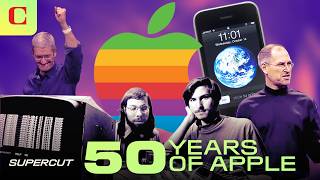
Founded in 1976 by Steve Jobs, Steve Wozniak, and Ronald Wayne, Apple started in a garage in Cupertino, California. The company initially focused on personal computers, with the Apple I and Apple II establishing its early success. According to historical accounts, the introduction of the Macintosh in 1984 marked a significant milestone, highlighting Apple's commitment to user-friendly design.
The late 1990s were challenging for Apple, with declining market share and leadership changes. However, the return of Steve Jobs in 1997 marked the beginning of one of the most remarkable comebacks in corporate history. His strategic vision and product innovations, such as the iMac and iBook, revitalized the company.
Current Situation
As of 2023, Apple remains a dominant force in the global technology market. Data from Statista shows that Apple holds a substantial market share in the smartphone industry, with its iPhone series consistently leading in sales. The company's commitment to privacy and security has also set it apart from competitors.
Apple's foray into services, including Apple Music, Apple TV+, and Apple Pay, further diversifies its revenue streams. Industry sources indicate that these services contribute significantly to Apple's financial performance, showcasing its adaptability to changing consumer demands.
Deep Analysis
Apple's success can be attributed to its unique business model, which combines hardware, software, and services into a cohesive ecosystem. This integration creates a seamless user experience, encouraging customer loyalty and repeat purchases. Analyst reports suggest that Apple's ecosystem is a key driver of its sustained growth.
The company's focus on innovation is evident in its substantial investment in research and development. Apple consistently pushes the boundaries of technology, as seen with its advancements in artificial intelligence and augmented reality. According to expert opinions, these technologies are poised to redefine user interactions and create new market opportunities.
Impact/Outlook
Looking ahead, Apple's influence on technology and culture is expected to grow. The company's ongoing commitment to sustainability and environmental responsibility is likely to strengthen its brand reputation and appeal to socially conscious consumers.
In the long term, Apple's expansion into emerging markets presents significant growth potential. McKinsey & Company's research indicates that these markets will drive the next wave of consumer demand for technology products.
Practical Implications
For businesses, Apple's trajectory offers valuable lessons in innovation, branding, and strategic adaptation. Companies can learn from Apple's customer-centric approach and its ability to anticipate and respond to market trends.
Consumers can benefit from Apple's continued focus on privacy and security, ensuring that their digital experiences remain safe and trustworthy.
Key Takeaways
- Apple's 50-year history showcases its resilience and transformative impact on technology and culture.
- The integration of hardware, software, and services underpins Apple's ecosystem and customer loyalty.
- Innovation and sustainability are central to Apple's long-term strategy and market positioning.
- Emerging markets offer significant growth opportunities for Apple's future expansion.
- Apple's commitment to privacy and security sets industry standards and builds consumer trust.