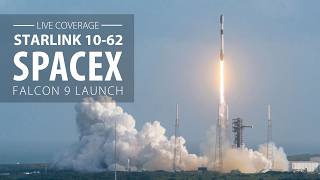
SpaceX Starlink Launch: Key Insights and Impact
Explore the latest SpaceX Starlink mission, its technological advancements, and the broader implications for global internet connectivity. Understand how SpaceX's growth trajectory is shaping the future of satellite internet.

Introduction
SpaceX's recent Starlink mission launch is capturing global attention due to its potential to revolutionize internet connectivity worldwide. This article delves into the latest developments and explores why it matters now.
Background and Context
Founded by Elon Musk, SpaceX has been a pioneer in the aerospace industry, with its Starlink project aiming to provide high-speed internet across the globe. The project began in 2015, and since then, SpaceX has launched thousands of satellites into low Earth orbit (LEO).
According to SpaceX, the goal is to create a constellation of small satellites that work in conjunction to deliver internet coverage. This approach addresses the limitations of traditional broadband services, especially in remote and underserved regions.
Historically, satellite internet has been hindered by high latency and cost. SpaceX's innovation lies in its ability to reduce these barriers, making internet access more equitable.
Current Situation
As of the latest launch, SpaceX has deployed over 4,000 Starlink satellites, with plans to increase this number significantly. The recent mission from Cape Canaveral further strengthens the constellation's capacity.
According to industry sources, the current deployment allows SpaceX to serve over 1 million users globally, with significant growth potential as more satellites become operational. The company's aggressive launch schedule is a testament to its commitment to expanding access and improving service quality.
Data from Ookla shows that Starlink's median download speeds have consistently improved, with some regions reporting speeds comparable to fiber-optic broadband.
Deep Analysis
SpaceX's approach to satellite internet involves several key innovations. First, the use of LEO satellites dramatically reduces latency compared to traditional geostationary satellites. This technical advantage is crucial for real-time applications like video conferencing and online gaming.
Moreover, SpaceX's reusable Falcon 9 rockets lower the cost of each launch, making the project economically viable. The company's strategy involves continuous iteration and improvement, with each launch providing valuable data to refine the technology.
Stakeholders in the telecommunications industry are closely monitoring SpaceX's progress. While some view Starlink as a competitive threat, others see opportunities for collaboration, particularly in regions where infrastructure investment is challenging.
Impact and Outlook
In the short term, Starlink is expected to enhance internet access in rural and remote areas, bridging the digital divide. This has broad implications for education, healthcare, and economic development, particularly in developing countries.
Long-term projections indicate that Starlink could become a dominant player in the global internet market, challenging traditional ISPs. The scalability of satellite internet may also drive down costs, making high-speed access more affordable.
Regulatory challenges and competition from other satellite internet providers, such as Amazon's Project Kuiper, remain potential hurdles. However, SpaceX's first-mover advantage and robust technological foundation position it favorably.
Practical Implications
For consumers, Starlink offers a viable alternative to traditional broadband, particularly in underserved areas. Businesses in remote locations can leverage improved connectivity for operations and communications.
Policymakers should consider the regulatory framework for satellite internet, ensuring it complements existing infrastructure and serves public interests.
Investors may find opportunities in the satellite internet sector, as demand for global connectivity continues to rise.
Key Takeaways
- SpaceX's Starlink project is rapidly expanding, with over 4,000 satellites launched.
- LEO satellites reduce latency, offering performance comparable to terrestrial broadband.
- Starlink is poised to enhance global internet access, particularly in rural areas.
- Regulatory and competitive challenges exist, but SpaceX's innovations provide a strong market position.
- Consumers and businesses can benefit from improved connectivity, with potential economic impacts.
- Policymakers and investors should monitor developments in the satellite internet landscape.