OpenAI's Sora Shutdown Sparks AI Ethics Debate
OpenAI's decision to discontinue the Sora app has ignited a renewed debate on AI ethics and deepfake technology. This article delves into the implications of AI innovation, the ethical concerns it raises, and what it means for the future of AI governance.

Introduction
The discontinuation of OpenAI's Sora app has ignited a significant debate regarding AI ethics, specifically focusing on deepfake technology and its societal impact. This issue is crucial as AI continues to permeate various aspects of daily life, raising questions about regulation and ethical boundaries.
Background/Context
OpenAI, a leading organization in artificial intelligence research, released the Sora app, which quickly gained attention for its ability to create realistic deepfake videos. Deepfakes are synthetic media where a person in an existing image or video is replaced with someone else's likeness, often used without consent. The technology has existed for several years, with its origins rooted in advancements in machine learning and computer vision.
Deepfakes have sparked controversy due to their potential for misuse in disinformation, privacy invasion, and cyberbullying. The debate around deepfake technology gained momentum in 2018 when celebrity faces were superimposed onto adult film actors without consent, leading to widespread concern about the technology's ethical implications.
Current Situation
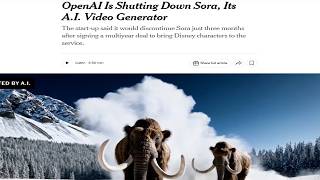
As reported by NPR, OpenAI recently announced the shutdown of the Sora app, citing ethical concerns and the need to address the challenges posed by deepfake technology. This decision comes amid increasing scrutiny from governments and advocacy groups demanding stricter regulations on AI applications that can manipulate or deceive.
Industry sources indicate that the decision reflects a growing awareness within tech companies about the potential societal harms of unregulated AI technologies. OpenAI's move is part of a broader trend where tech firms are reassessing the ethical frameworks guiding AI development and deployment.
Deep Analysis
The underlying causes of the Sora shutdown are rooted in the complex interplay between technological innovation and ethical responsibility. Stakeholders including AI researchers, policymakers, and civil society groups are engaged in a dynamic discourse about the acceptable boundaries of AI innovation.
According to the Ethics Guidelines for Trustworthy AI by the European Commission, AI systems should be lawful, ethical, and robust. OpenAI's decision aligns with these guidelines, emphasizing the need for transparency and accountability in AI systems.
Furthermore, the power dynamics in AI development often favor large tech companies, which have the resources to influence regulatory environments. This raises questions about the concentration of power and the need for inclusive governance models that incorporate diverse perspectives.
Impact/Outlook
The short-term impact of the Sora shutdown is a heightened focus on AI ethics and the responsibilities of tech companies in mitigating potential harms. In the long term, this decision could catalyze policy development aimed at establishing clear ethical guidelines for AI technologies.
Data from market research firms suggests that the demand for ethical AI solutions is expected to grow, driven by consumer awareness and regulatory pressures. This trend presents opportunities for companies that prioritize ethical considerations in AI development.
Practical Implications
For AI practitioners and developers, the Sora shutdown highlights the importance of integrating ethical considerations into the design and implementation of AI systems. Practitioners should consider adopting frameworks like the AI Ethics Impact Assessment, which provides a structured approach to evaluating the ethical implications of AI projects.
Policymakers can use this opportunity to advance legislation that balances innovation with ethical safeguards, ensuring that AI technologies serve the public interest. Collaboration with industry leaders and academia will be crucial in crafting effective regulations.
Key Takeaways
- OpenAI's Sora shutdown underscores the ethical challenges posed by deepfake technology.
- Deepfakes raise significant concerns about disinformation, privacy, and consent.
- AI ethics guidelines emphasize transparency, accountability, and inclusivity.
- Regulatory developments are likely to focus on establishing clear ethical standards for AI.
- Tech companies must balance innovation with social responsibility to maintain trust.
In conclusion, the conversation around AI ethics and deepfake technology is far from settled. As AI continues to evolve, stakeholders must navigate the delicate balance between innovation and ethical responsibility to ensure that technological advancements contribute positively to society.