Arm Stock: The Impact of Arm's Own Chip Production
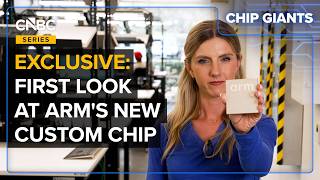
Arm, traditionally known for its chip designs, is now diving into chip production. This shift could significantly impact the semiconductor industry and the global tech market, raising questions about competition, innovation, and market dynamics.
Introduction
Arm, a leading semiconductor and software design company, is now making its own chips. This development is poised to reshape the semiconductor industry and alter competitive dynamics.
Background and Context
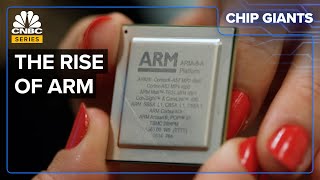
Arm Holdings, based in the UK, has traditionally focused on designing chips that other companies manufacture. Its designs power a wide array of devices, from smartphones to data centers. Historically, Arm's business model has been licensing its architecture to tech giants like Apple, Samsung, and Qualcomm. According to industry reports, Arm's designs are found in over 90% of the world's smartphones.
The decision to start producing its own chips marks a significant departure from its established business model. This strategic pivot is influenced by the evolving demands of the tech industry, where vertical integration is becoming increasingly crucial. Companies like Apple and Amazon have already adopted this approach, designing and producing custom chips to enhance performance and efficiency.
Current Situation
As of now, Arm is actively developing its own semiconductor products, with prototypes expected to emerge soon. This move comes amid a global chip shortage that has highlighted the strategic importance of semiconductor manufacturing. Arm's initiative aims to secure its supply chain and drive innovation tailored to its architecture.
Industry sources indicate that Arm's entry into chip production is being closely watched by competitors and partners alike. The company's efforts are expected to initially focus on specialized chips for specific markets such as automotive, IoT (Internet of Things), and data centers.
Deep Analysis
The underlying motive for Arm's shift can be attributed to several factors. Firstly, the global semiconductor supply chain has become increasingly complex, with geopolitical tensions and trade disputes affecting availability and pricing. By producing its own chips, Arm seeks to mitigate these risks and ensure a reliable supply of its designs.
Moreover, producing its own chips allows Arm to optimize performance by integrating software and hardware more closely. This holistic approach is expected to result in improved energy efficiency and computational capabilities, critical in areas like AI (Artificial Intelligence) and machine learning.
Stakeholder dynamics are also at play. Arm's move may pose challenges to its existing partners, who might view Arm as a competitor rather than solely a supplier. This could lead to shifts in alliances and collaborations within the tech industry.
Impact and Outlook
In the short term, Arm's entry into chip production could lead to increased competition in the semiconductor market, particularly affecting companies like Intel and AMD (Advanced Micro Devices). These companies may need to reassess their strategies to maintain competitive advantage.
Long-term projections suggest that Arm's success in chip production could lead to broader adoption of its architecture across diverse sectors. This expansion may further solidify Arm's position as a key player in the semiconductor industry.
Conversely, the move also brings risks. Manufacturing is capital-intensive, and any missteps could impact Arm's financial stability. Additionally, navigating regulatory hurdles and maintaining relationships with existing partners will be crucial.
Practical Implications
For businesses and tech developers, Arm's strategy presents new opportunities and challenges. Companies relying on Arm's designs should anticipate potential changes in pricing and availability as Arm scales its production capabilities.
Investors in the tech sector might consider the implications of Arm's move on the broader market. The potential for innovation and growth could influence investment decisions, particularly in sectors reliant on advanced semiconductor technology.
Key Takeaways
- Arm's shift to chip production is a strategic move to enhance control over its supply chain and drive innovation.
- This development could disrupt existing partnerships and competitive dynamics in the semiconductor industry.
- Vertical integration may lead to improved performance and efficiency in devices using Arm's architecture.
- The success of Arm's venture will depend on its ability to manage manufacturing challenges and maintain partner relationships.
- Investors and tech companies should monitor Arm's progress closely as it could significantly impact market trends.
- Regulatory and geopolitical factors remain critical considerations for Arm's chip production strategy.