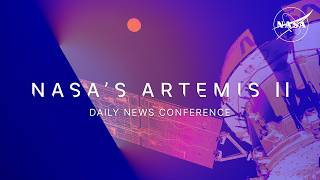
NASA's Artemis II: Historic Lunar Mission Insights
NASA's Artemis II mission marks a pivotal moment in space exploration as it sets out to break records set by Apollo 13. This article delves into the mission's goals, technological advancements, and the broader implications for future lunar exploration.

Introduction
The NASA Artemis II mission is currently making headlines as it aims to break the record set by the Apollo 13 mission. The mission's significance lies in its potential to pave the way for future lunar exploration, making it a crucial topic for space enthusiasts and experts alike.
Background/Context
NASA's Artemis program is an initiative to return humans to the Moon and establish a sustainable presence there by the end of the decade. This mission follows the legacy of the Apollo program, which last landed astronauts on the lunar surface in 1972. The Artemis II mission is a critical step in this ambitious plan.
Current Situation
As of now, the Artemis II crew is en route to the Moon, planning to loop approximately 4,000 miles from its surface. This mission is not only a test of the spacecraft's capabilities but also a demonstration of NASA's renewed commitment to deep space exploration. According to NASA, the crew includes experienced astronauts who are equipped with advanced technology to ensure mission success.
Deep Analysis
The Artemis II mission is driven by several underlying factors, including advancements in space technology, international collaborations, and increased interest in lunar resources. The spacecraft's design incorporates state-of-the-art navigation and communication systems, which are crucial for the mission's success. Industry sources indicate that the propulsion systems have been significantly improved to handle the challenges of deep space travel.
Impact/Outlook
In the short term, the success of Artemis II will boost confidence in the Artemis program and set the stage for Artemis III, which aims to land astronauts on the lunar surface. In the long term, this mission could lead to the development of lunar bases, enabling further scientific research and exploration. Experts suggest that this could also spur commercial interest in lunar mining and tourism.
Practical Implications
For enthusiasts and professionals in the space industry, the Artemis II mission serves as a blueprint for future missions. It highlights the importance of interdisciplinary collaboration, technological innovation, and strategic planning. Stakeholders are advised to closely monitor the mission's progress and leverage the insights gained for future projects.
Key Takeaways
- The Artemis II mission is a significant milestone in NASA's lunar exploration agenda.
- The mission aims to surpass the records set by the Apollo program.
- Advanced technology and international collaboration are key to its success.
- The mission's outcomes will influence future lunar exploration initiatives.
- Stakeholders should leverage insights from this mission for future projects.