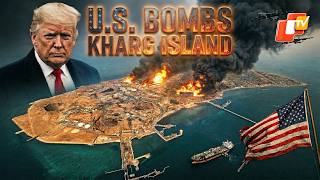
U.S.-Iran Tensions: Current Ceasefire and Future Prospects
Explore the intricate geopolitical dynamics behind the recent U.S.-Iran ceasefire. Understand the historical context, current developments, and possible future scenarios. Gain insights into the power structures and stakeholder interests at play.
Introduction
The recent U.S.-Iran ceasefire, brokered by Pakistan, is a critical development in an ongoing geopolitical saga that has far-reaching implications for global stability.
Background/Context
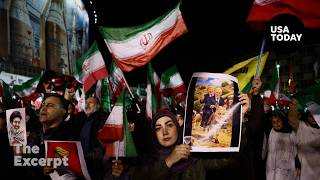
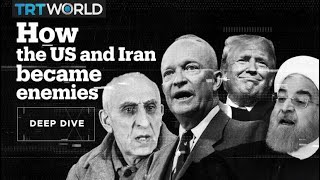
The tensions between the United States and Iran have deep historical roots stretching back to the mid-20th century. Since the 1979 Iranian Revolution, these nations have been at odds, with numerous confrontations over nuclear capabilities, regional influence, and military engagements.
In recent decades, the U.S. has imposed a series of economic sanctions on Iran, aiming to curb its nuclear ambitions. The Joint Comprehensive Plan of Action (JCPOA) in 2015 offered a brief reprieve, but the U.S. withdrawal in 2018 reignited tensions.
Current Situation
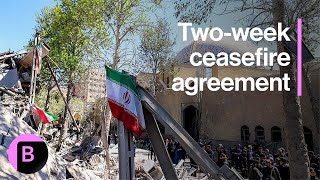
According to recent reports, the two-week ceasefire follows six weeks of intense conflict, with diplomatic sources indicating that Pakistan played a crucial role in mediating this temporary truce. The ceasefire aims to provide a window for diplomatic negotiations, although the U.S. military presence remains substantial in the region.
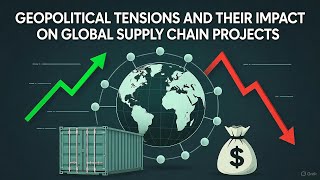
Market reactions have been swift, with the Dow Jones Industrial Average surging over 1,300 points following the ceasefire announcement, while oil prices experienced a significant decline, the steepest since 2020.
Deep Analysis
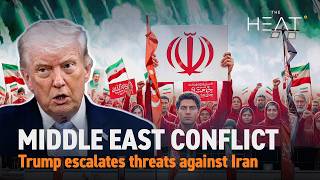
The underlying causes of the U.S.-Iran conflict are deeply intertwined with strategic interests in the Middle East, including control over oil resources and regional hegemony. The U.S. seeks to maintain its influence over key allies, while Iran aspires to expand its geopolitical footprint.
Stakeholder dynamics involve multiple actors, including Russia and China, who maintain strategic partnerships with Iran, complicating U.S. efforts to isolate Tehran. Additionally, domestic political pressures in the U.S. and Iran further exacerbate the conflict.
Impact/Outlook
In the short term, the ceasefire offers a reprieve from hostilities, potentially opening avenues for renewed diplomatic engagement. However, long-term peace remains uncertain without substantial concessions from both sides.
Experts suggest that a sustainable resolution would require comprehensive dialogue addressing nuclear proliferation, regional security, and economic sanctions. The international community's role in facilitating such negotiations is paramount.
Practical Implications
For policymakers, the ceasefire underscores the importance of multilateral diplomacy and robust conflict resolution mechanisms. Businesses and investors should monitor geopolitical developments closely, as they can significantly impact global markets.
Individuals interested in international relations can gain valuable insights by studying the intricate power dynamics at play and the broader implications for global peace and security.
Key Takeaways
- The U.S.-Iran ceasefire is a temporary measure with substantial geopolitical implications.
- Historical tensions date back to the 1979 Iranian Revolution and have seen numerous escalations.
- Current developments involve complex stakeholder dynamics, including Russia and China.
- The ceasefire has influenced financial markets, notably affecting stock and oil prices.
- Long-term peace requires dialogue on nuclear issues and regional security.
- Monitoring geopolitical events is crucial for policymakers and investors alike.