Trump's Escalating Tensions with Iran: Analysis
Tensions between the U.S. and Iran are at a peak as President Trump issues threats concerning the Strait of Hormuz. This article delves into the historical context, current developments, and future implications of this geopolitical flashpoint.

Introduction
The escalating tensions between the United States and Iran, highlighted by President Trump's recent ultimatum concerning the Strait of Hormuz, have significant geopolitical implications. Understanding these developments is crucial as they impact global security and economic stability.
Background/Context
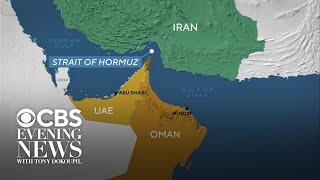
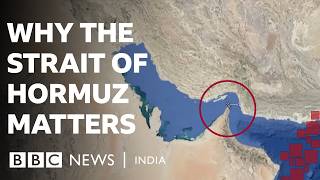
The Strait of Hormuz, a vital maritime chokepoint through which a significant portion of the world's oil passes, has long been a focal point of U.S.-Iranian tensions. Historically, control over this narrow passage has been crucial for global energy security, with any disruption potentially affecting oil prices worldwide. The U.S. and Iran have a fraught history, with conflicts often centered around economic sanctions, nuclear ambitions, and regional influence.
According to historical accounts, the Iran-Iraq war in the 1980s saw significant clashes in the strait, emphasizing its strategic importance. More recently, the 2018 U.S. withdrawal from the Iran nuclear deal and subsequent reinstatement of sanctions have further strained relations, making the Strait of Hormuz a potential flashpoint.
Current Situation
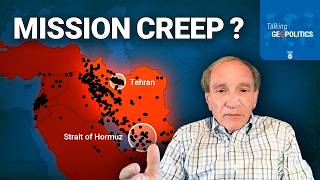
As of now, President Trump has threatened severe consequences if Iran blocks the Strait of Hormuz. This ultimatum comes amidst increased military posturing from both sides. Reports from the Pentagon indicate the deployment of additional naval forces to ensure the strait remains open.
Iran, on the other hand, has hinted at the possibility of closing the strait in response to U.S. sanctions, which have crippled its economy. This standoff is further complicated by regional dynamics, with countries like Saudi Arabia and the UAE closely monitoring the situation due to their reliance on this maritime route.
Deep Analysis
The core of the U.S.-Iran tension lies in a complex interplay of regional power dynamics and international diplomacy. The U.S. aims to curtail Iran's influence in the Middle East while ensuring the unhindered flow of oil. Conversely, Iran views control over the Strait of Hormuz as leverage against economic sanctions.
Experts suggest that this situation is exacerbated by internal political pressures in both countries. In the U.S., hawkish advisors push for a hardline stance, while in Iran, hardliners see confrontation as a means to rally domestic support. According to geopolitical analysts, any military conflict could destabilize the region, impacting global oil markets and international relations.
Impact/Outlook
In the short term, the world watches closely as both nations engage in a high-stakes game of brinkmanship. Any miscalculation could lead to military conflict, with severe repercussions for global trade and energy prices. According to the International Energy Agency, even a temporary closure of the strait could send oil prices soaring, affecting economies worldwide.
Long-term scenarios depend on diplomatic engagement and the potential for renewed negotiations. The possibility of a new nuclear agreement or a regional security framework could offer a peaceful resolution, although this remains uncertain amidst ongoing tensions.
Practical Implications
For businesses and policymakers, understanding these tensions is critical for strategic planning. Companies reliant on Middle Eastern oil should consider diversifying supply chains to mitigate risks. Policymakers must engage in multilateral diplomacy to prevent escalation and ensure stability.
Individuals can stay informed by following credible news sources and expert analyses, preparing for potential economic impacts such as fuel price increases or market volatility.
Key Takeaways
- The Strait of Hormuz is a critical chokepoint for global oil supply, and its closure could have severe economic impacts.
- U.S.-Iran tensions are rooted in historical conflicts and current geopolitical struggles.
- Military conflict remains a risk, with significant implications for global security and economy.
- Diplomatic solutions are possible but require significant political will from both sides.
- Businesses should assess risks related to supply chains and geopolitical instability.
- Individuals should stay informed about developments to anticipate potential economic impacts.
In conclusion, the situation between the U.S. and Iran over the Strait of Hormuz reflects broader geopolitical dynamics that require careful monitoring and strategic responses from global stakeholders. The potential for conflict necessitates a balanced approach, emphasizing diplomacy and international cooperation.