Kim Jong Un's Daughter: Potential Succession Insights
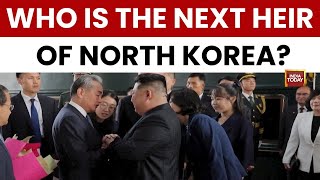
The appearance of Kim Jong Un's teenage daughter driving a tank has sparked international discussion about her potential role as his successor. This article delves into the implications of such a move for North Korea's future leadership and the geopolitical landscape.
Introduction
The emergence of Kim Jong Un’s teenage daughter, reportedly seen operating a tank, has stirred speculation about her role as a potential successor. This development holds significant implications for North Korea's future leadership dynamics and regional stability.
Background/Context
The Kim dynasty has ruled North Korea for over seven decades, with power transitioning from Kim Il-sung to Kim Jong-il, and then to Kim Jong Un. Historically, leadership succession in North Korea has been a closely guarded process, often surrounded by intense speculation and secrecy. The current leader, Kim Jong Un, took power in 2011 after his father's death, continuing the lineage of the Kim family’s control over the country.
Traditionally, male heirs have been prioritized in the succession line, reflecting the patriarchal nature of the regime. However, the recent public appearances of Kim Jong Un’s daughter suggest a possible shift in this tradition, indicating a potential reconfiguration of familial power structures.
Current Situation
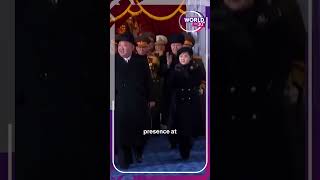
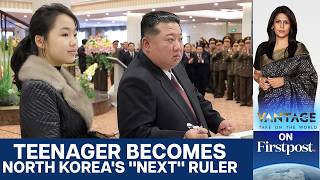
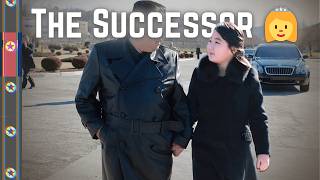
According to reports from South Korea’s spy agency, Kim Jong Un's daughter, believed to be named Kim Ju-ae, has been seen in a military setting, specifically driving a tank. This public display, coupled with her presence at key state events, has led to increased speculation about her future role.
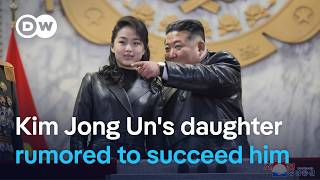
International analysts observe that these appearances may be part of a broader strategy to introduce her to the North Korean public and military as a credible figure, potentially positioning her as a successor. While there is no formal announcement from the North Korean government regarding her status, the symbolism of her involvement in military affairs is significant.
Deep Analysis
The potential positioning of Kim Ju-ae as a successor raises several questions about gender roles within North Korea’s political hierarchy. Traditionally, leadership roles have been male-dominated, but Kim Ju-ae's inclusion in military activities suggests a possible strategic shift.
Experts suggest that this could be a move by Kim Jong Un to secure the dynasty’s future by ensuring that his successor is someone who is both familiar to him and who carries the family legacy. Additionally, her involvement in military contexts may be aimed at strengthening her perceived legitimacy and authority among the military elite.
Impact/Outlook
If Kim Ju-ae is indeed being groomed for leadership, this could have profound implications for North Korea’s domestic and foreign policy. A female leader would mark a significant departure from past practices and could alter the dynamics of how the regime is perceived internationally.
In the short term, this move may consolidate Kim Jong Un's control by reinforcing the idea of direct lineage succession. In the long term, it could either stabilize or destabilize the region, depending on how effectively she is integrated into the existing power structures and how her leadership style evolves.
Practical Implications
For policymakers and international stakeholders, understanding the implications of a potential female successor in North Korea is crucial. This development necessitates a reevaluation of diplomatic strategies and engagement policies with North Korea, considering the possible changes in leadership dynamics.
Monitoring developments within North Korea’s leadership structure will be essential for anticipating potential shifts in regional security and economic policies. Engaging with regional allies to prepare for various succession scenarios will also be important for maintaining stability in the region.
Key Takeaways
- Kim Jong Un's daughter has been seen in military settings, sparking succession speculation.
- Her involvement could signal a shift in North Korea's traditional patriarchal succession.
- This development may have significant implications for regional stability and international relations.
- Understanding North Korea's internal dynamics is crucial for international diplomatic strategies.
- Monitoring the situation is vital for anticipating future policy shifts in North Korea.