Trump's Iran Rhetoric: Unpacking Potential Impacts
As President Trump announces a temporary ceasefire with Iran, tensions remain high. This article delves into the implications of his rhetoric and the geopolitical dynamics at play, offering a detailed analysis of potential outcomes for international relations and global markets.
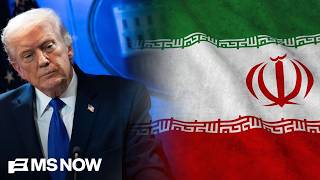
Introduction: Trump's Iran Rhetoric and Global Tensions
President Trump's recent comments on Iran have stirred significant attention, highlighting the complex and volatile nature of geopolitical relations in the region. As tensions continue to simmer, understanding the potential impacts of these statements is crucial for grasping future international dynamics.
Background/Context: Historical Tensions Between the U.S. and Iran
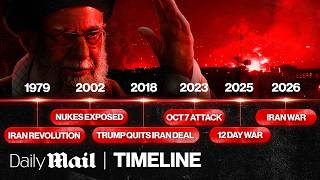
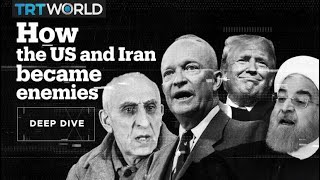
The relationship between the United States and Iran has been fraught with tension for decades, dating back to the 1979 Iranian Revolution and the subsequent U.S. Embassy hostage crisis. The geopolitical landscape has been shaped by a series of events including the Iran-Iraq War, nuclear negotiations, and economic sanctions. Each of these incidents has contributed to the current state of affairs.
Current Situation: Ceasefire and Economic Implications
In a surprising move, President Trump announced a two-week ceasefire with Iran, contingent upon the reopening of the Strait of Hormuz, a critical maritime chokepoint for global oil transportation. This temporary pause in hostilities is expected to have widespread effects on oil markets and international diplomacy.
According to industry sources, the Dow futures jumped 900 points following the announcement, reflecting market optimism. However, oil prices tumbled, demonstrating the delicate balance between economic stability and geopolitical risk.
Deep Analysis: Underlying Causes and Stakeholder Perspectives
The underlying causes of the U.S.-Iran tensions are multifaceted, involving historical grievances, regional power dynamics, and conflicting strategic interests. Key stakeholders include not only the U.S. and Iran but also regional powers such as Saudi Arabia and Israel, along with global entities like the European Union and the United Nations.
Expert analysis suggests that Trump's rhetoric may serve multiple purposes, including domestic political gains and leveraging U.S. strategic interests in the Middle East. However, this approach has been met with criticism from congressional Democrats, who argue that such rhetoric could escalate tensions further.
Impact/Outlook: Short-term and Long-term Scenarios
In the short term, the ceasefire may lead to a temporary de-escalation of military actions, providing a window for diplomatic engagement. However, the long-term outlook remains uncertain, with potential scenarios ranging from renewed hostilities to a comprehensive diplomatic agreement.
Economic implications are particularly significant, as stability in the Strait of Hormuz could affect global oil supply chains and market volatility. Ongoing monitoring of political developments and market reactions will be essential in predicting future trends.
Practical Implications: Actions for Policymakers and Businesses
For policymakers, crafting a balanced and strategic approach to U.S.-Iran relations will require careful consideration of international law, regional alliances, and domestic political pressures. Engaging in multilateral diplomacy and pursuing confidence-building measures could mitigate risks.
Businesses, particularly those in the energy sector, should remain vigilant and develop contingency plans to address potential disruptions in oil supply and market fluctuations. Diversifying supply chains and investing in risk management strategies will be crucial for maintaining stability.
Key Takeaways
- President Trump's rhetoric on Iran highlights ongoing geopolitical tensions.
- The historical context of U.S.-Iran relations is complex and multifaceted.
- Current ceasefire offers a temporary de-escalation, impacting global markets.
- Underlying causes involve regional power dynamics and strategic interests.
- Short-term optimism in markets contrasts with long-term uncertainties.
- Policymakers and businesses must prepare for varied future scenarios.