Pope's Visit to Cameroon: A Message of Peace
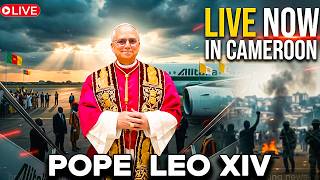
Pope Leo XIV's visit to Cameroon amidst ongoing separatist conflicts carries a profound message of peace and reconciliation. This article delves into the historical context, current dynamics, and potential impacts of his visit on the region's socio-political landscape.
Introduction
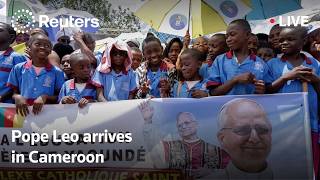
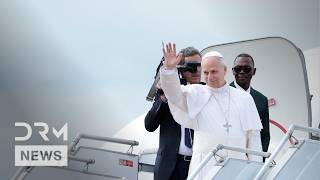
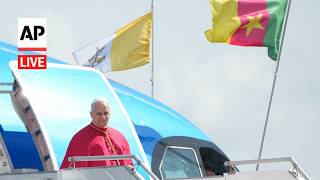
Pope Leo XIV's visit to Cameroon is a significant event, bringing a powerful message of peace to a region embroiled in separatist conflict. This visit carries implications not only for Cameroon but also for broader peace efforts in Africa.
Background/Context
Cameroon has been facing internal strife since 2016, when English-speaking regions began demanding greater autonomy from the predominantly French-speaking government. This has led to a protracted conflict with significant humanitarian consequences. According to the International Crisis Group, over 4,000 people have been killed, and hundreds of thousands displaced.
Pope Leo XIV's visit is part of a broader effort by the Vatican to mediate and promote peace in conflict zones worldwide. Historically, papal visits have served as catalysts for dialogue and reconciliation in troubled regions, drawing global attention to local issues.
Current Situation
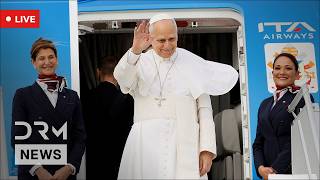
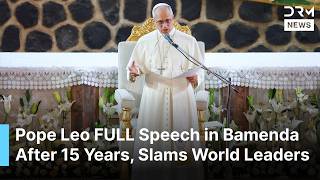
During his visit, Pope Leo XIV is expected to meet with both government officials and leaders of the separatist movement. According to Vatican sources, the Pope's agenda includes a public mass in the capital, Yaoundé, and a closed-door meeting with key stakeholders from both sides.
Cameroon's government has welcomed the Pope's visit, viewing it as an opportunity to showcase its commitment to peace. Meanwhile, separatist leaders have announced a three-day pause in fighting, signaling their openness to dialogue.
Deep Analysis
The underlying causes of Cameroon's conflict are rooted in historical grievances, linguistic divisions, and economic disparities. The centralization of power in Yaoundé has marginalized English-speaking regions, fueling resentment and calls for autonomy.
Stakeholder dynamics are complex, with various factions within the separatist movement holding differing views on negotiation. The power structures within Cameroon are also shifting, as international pressure mounts on the government to address the crisis.
Impact/Outlook
The immediate impact of the Pope's visit may be a temporary reduction in hostilities, as both sides seek to present themselves favorably on the global stage. In the long term, the visit could pave the way for renewed peace talks, potentially involving international mediators.
However, experts caution that sustainable peace will require addressing the root causes of the conflict, including decentralization of power and equitable distribution of resources.
Practical Implications
For readers interested in supporting peace efforts, consider engaging with NGOs working on the ground in Cameroon. Additionally, raising awareness through social media and community events can help maintain international focus on the issue.
Policy-makers can draw lessons from Cameroon's situation to apply in other conflict zones, emphasizing the importance of inclusive dialogue and sustained international engagement.
Key Takeaways
- Pope Leo XIV's visit to Cameroon is a significant step towards peace in a conflict-ridden region.
- The conflict stems from historical grievances and linguistic divisions.
- Stakeholders are showing willingness for dialogue, as evidenced by the temporary pause in fighting.
- Long-term peace requires addressing root causes and ensuring equitable resource distribution.
- Engagement from international mediators and NGOs is crucial for sustained progress.
- Public awareness and advocacy remain vital in maintaining global attention on the conflict.